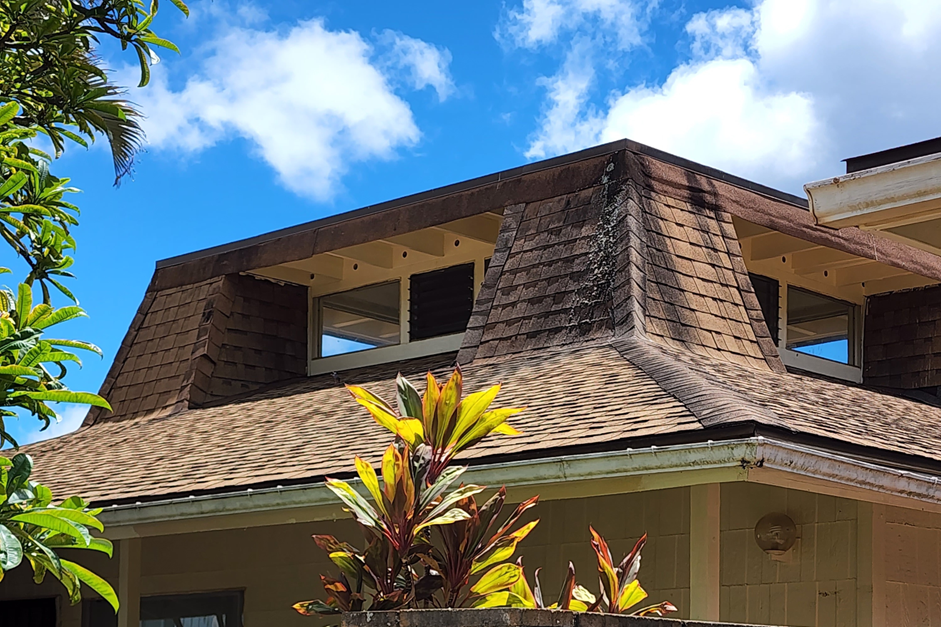
Multifamily Exterior Preservation & Condition Stewardship

Multifamily properties face unique exterior condition challenges that go beyond cosmetic cleaning. Shared roofing systems, repeated exposure cycles, and environmental stressors can accelerate deterioration quietly — long before visible damage appears.

SoftWash Hawaii supports owners, property managers, and HOA boards who understand that exterior preservation is a long-term stewardship commitment. Our approach begins with evaluation, focuses on risk management, and prioritizes the longevity, performance, and insurance posture of your buildings.

Beyond Appearance: Condition, Risk, and Shared Responsibility

Multifamily exteriors endure:

Surface condition is more than aesthetic: it signals how a building is aging and how risk may escalate in the future. Preserving these assets means understanding progression, not reacting to appearance alone.

Multi Unit Pressure Washing Icon

Evaluate • Document • Plan • Preserve

Multifamily preservation is a system — not a service. Our approach is structured to support governance, risk management, and long-term asset stewardship. Preservation for multifamily properties is a system — not a service.

Our process emphasizes:

  • Condition evaluation before any intervention
    Every preservation decision begins with understanding current condition and exposure patterns. Rather than assuming work is needed based on appearance alone, we assess material integrity, organic progression, and environmental influence across elevations. Evaluation helps distinguish between cosmetic concern and condition risk.
  • Documentation for continuity & governance
    Preservation decisions should not rely on memory or informal communication. We document condition patterns, areas of concern, and rationale for recommended action or restraint. This supports board transparency, leadership continuity, and defensible decision-making during inspections or insurance reviews.
  • Exposure-aware timing rather than fixed frequency
    Not all buildings age at the same rate — even within the same community. Windward elevations, shaded zones, drainage concentration areas, and coastal facing walls often require different preservation timing. Planning must reflect environmental reality rather than fixed, uniform schedules.
  • Measured treatment that protects materials and assemblies
    When intervention is appropriate, methods should protect material integrity rather than stress it. We prioritize low-pressure, system-aware treatment that manages organic growth without forcing water into assemblies or accelerating wear. Preservation means applying only what is necessary — no more, no less.

Rather than one-off cleaning, we help you manage exterior conditions in a predictable, defensible way.

Who This Service is For

Designed For

Not Intended For:

What Multifamily Preservation Looks Like Over Time

Multifamily preservation is not a one-time event. It is a structured rhythm of evaluation, measured action, and documented oversight designed to reduce escalation and support responsible governance.

  • Routine evaluations
    Exterior systems should be reviewed at defined intervals to monitor how environmental exposure is affecting materials over time. Regular evaluations allow boards and managers to detect early progression patterns before deterioration becomes visible or costly. Preservation begins with observation and awareness — not assumption.
  • Strategic intervention
    Not every condition requires immediate or aggressive treatment. Strategic intervention means applying the appropriate level of care based on exposure, material type, and documented progression. This reduces unnecessary surface stress while addressing real risks in a timely, measured manner.
  • Documentation of condition and decisions
    Preservation is strengthened when condition findings and decisions are recorded. Documenting what was observed — and why a specific action was or was not taken — provides continuity across board transitions and management changes. Clear records also support transparency during inspections and insurance reviews.
  • Alignment with inspection and insurance cycles
    Exterior preservation should be coordinated with inspection timelines, reserve studies, and insurance reviews. Aligning preservation planning with these cycles reduces last-minute pressure and demonstrates proactive stewardship. This approach supports defensibility and minimizes reactive decision-making.
  • Long-Term Asset Planning
    Exterior systems age gradually, and their care should reflect lifecycle realities. Tracking exposure patterns and intervention timing helps boards anticipate future needs rather than respond to unexpected failures. Preservation transforms maintenance from unpredictable expense into structured asset management.

This structured approach reduces surprises, minimizes risk, and supports long-term asset planning.

Common Condition Signals That Warrant Evaluation

Exterior deterioration rarely announces itself loudly. It often appears in patterns that, when recognized early, allow for measured and strategic response rather than reactive escalation.

Certain patterns often precede more serious deterioration:

  • Recurring organic growth in the same zones
    When organic buildup repeatedly returns to specific elevations or sections of a building, it often indicates underlying exposure conditions such as moisture retention, shading patterns, or airflow limitations. Repetition in the same locations is a signal of environmental influence rather than simple surface dirt. Identifying the pattern helps determine whether intervention timing or strategy should be adjusted.
  • Discoloration despite previous services
    If staining or darkening returns shortly after prior cleaning, it may suggest that the root exposure condition was not addressed. Surface treatment alone may temporarily improve appearance without managing environmental contributors. Recurrence patterns should prompt evaluation rather than more frequent cleaning.
  • Uneven aging across units
    Multifamily communities often experience varied exposure depending on building orientation, elevation height, and proximity to vegetation. When one side of a structure deteriorates faster than another, it reflects environmental differences that require tailored preservation planning. Uniform scheduling may overlook these variations.
  • Moisture tracks on siding or roofing
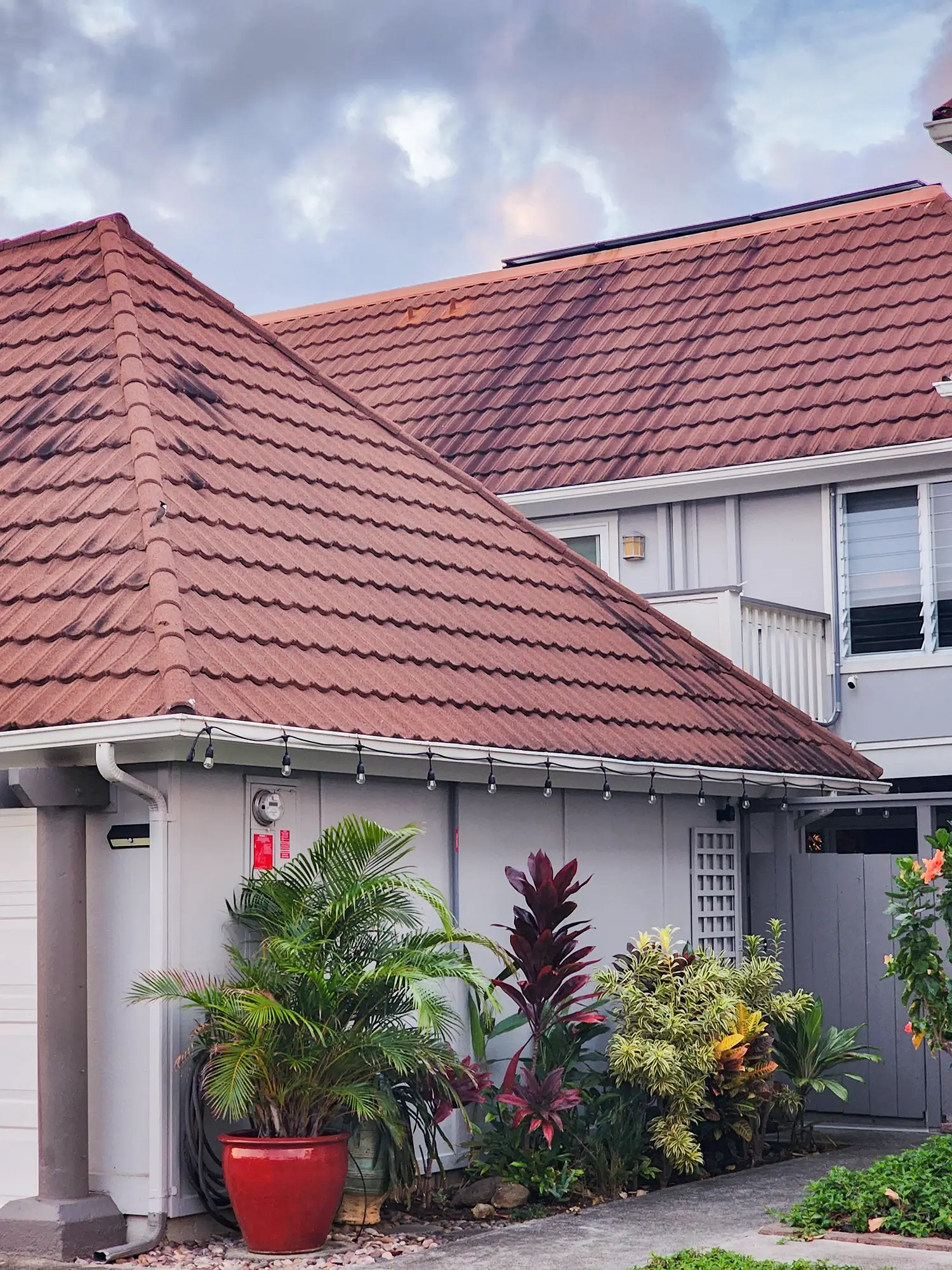
    Visible streaking, runoff marks, or concentrated moisture patterns can indicate drainage inefficiencies or water retention points. Over time, these patterns can accelerate finish breakdown and organic growth. Evaluating how water moves across shared systems is critical in multifamily preservation.
  • Inspection notes highlighting condition concerns
    Comments from insurance inspectors or reserve studies referencing exterior condition should not be treated as cosmetic feedback. These notes often reflect risk perception that can influence underwriting decisions and long-term cost exposure. Addressing them through documented evaluation demonstrates proactive stewardship.

These indicators don’t always require immediate repair — but they do call for informed
evaluation.

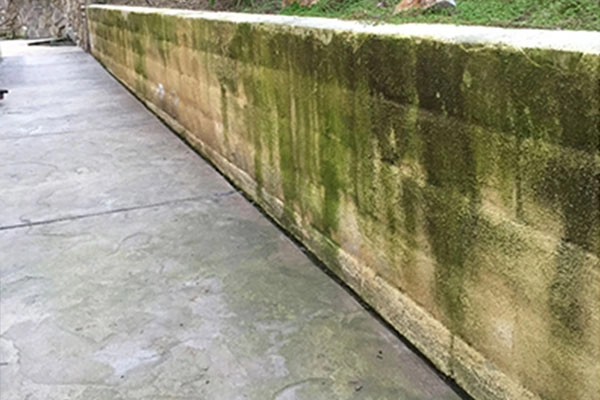
A moldy retaining wall before a cleaning
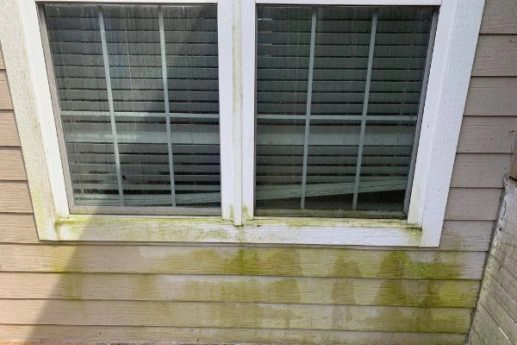
The side of a house with vinyl and a large window before a cleaning

Documentation Is Part of Preservation — Not Afterthought

Multifamily preservation extends beyond the work performed. It requires documented evaluation, recorded reasoning, and continuity across inspection cycles and leadership changes.

Good preservation isn’t just service — it’s recorded decision-making.

For multifamily properties, documentation:

  • Bridges leadership changes
    HOA boards and property managers change over time. Without documented exterior condition history, new leadership often inherits decisions without context. Clear records ensure that past evaluations, rationale, and preservation strategies remain visible — preventing unnecessary resets or inconsistent maintenance approaches.
  • Supports budget discussions
    Exterior care decisions impact reserves and long-term financial planning. When condition findings and intervention timing are documented, boards can make informed budgeting decisions instead of reacting to sudden deterioration. Documentation transforms preservation from unpredictable expense into structured planning.
  • Provides condition history during inspections
    Insurance carriers and inspectors often assess exterior condition without full historical context. A documented preservation record demonstrates proactive oversight and responsible management. This history helps clarify whether a condition is new, ongoing, or already being managed strategically.
  • Helps defend decisions during insurance reviews
    When questions arise regarding maintenance timing or condition management, documented rationale provides defensibility. Showing that evaluations were conducted and decisions were made intentionally reduces perception of neglect. Preservation documentation protects both the property and the decision-makers.

We help you capture conditions and rationale — not just receipts.

Multifamily Preservation in Practice

Real properties. Real exposure patterns. Real preservation decisions.

Multifamily preservation is not theoretical. It is applied decision-making based on exposure, condition, and long-term planning.
Below are examples of how preservation strategy protects shared assets:

From Reactive Cleaning to Planned Exterior Stewardship

A multi-building HOA experienced recurring organic regrowth within 18 months of prior “cleanings.” Evaluation revealed moisture retention patterns and inconsistent treatment methods across elevations.

Rather than repeating surface cleaning, a structured preservation rhythm was implemented — reducing recurrence, stabilizing condition, and aligning maintenance with inspection cycles.

Managing Windward Exposure in a 42-Unit Community

Buildings on windward-facing elevations showed accelerated deterioration compared to leeward structures. A uniform cleaning schedule had masked uneven exposure impact.

Preservation strategy was adjusted by orientation — extending material life and reducing unnecessary intervention.

Deferred Maintenance and Escalated Risk

Budget deferral delayed planned preservation treatments by two years. Organic buildup intensified, contributing to premature surface degradation and elevated repair costs.

Restoring condition required significantly more intervention than originally planned.

Preservation decisions compound — positively or negatively — over time.

Understanding Multifamily Exposure Patterns

Multifamily properties do not age uniformly.

Exposure varies by:

  • Building orientation
  • Elevation height
  • Drainage patterns
  • Proximity to vegetation
  • Salt air exposure (coastal properties)
  • Windward vs leeward positioning

Multifamily Exterior Systems We Help Preserve

Preservation is not limited to one surface. Multifamily assets require coordinated care across systems. We support preservation of:

Roof Pressure Washing Icon

Roofing

Your first line of defense. We identify early growth and exposure patterns that shorten lifespan and contribute to unexpected failures.

House Pressure Washing Icon

Exterior Siding

Protects against moisture and weathering. We help keep siding surfaces healthy, stopping buildup that traps moisture and breaks down coatings.

Gutter Cleaning Icon

Gutters

Water management is preventative care. Clean, flowing gutters reduce hidden water intrusion and protect foundations and roofs.

Window Pressure Washing Icon

Exterior Windows

Salt, haze, and film reduce clarity and age glass. Our approach improves visibility and surface condition without etching or damage.

Fence and Deck Pressure Washing Icon

Fences & Decks

High-exposure and horizontal surfaces age quickly. We reduce buildup that leads to premature wear and safety concerns.

Solar & PV Panels

Solar and PV panels require preservation, not pressure. Exposure-aware care helps maintain energy performance while protecting panels, mounts, and the roof system beneath them.

Each system interacts with the others. Preservation decisions consider the building as a whole — not isolated tasks.

Begin With a Property Preservation Evaluation