








Preservation Case Studies
Real-world examples of how exterior risk, environmental exposure, and maintenance decisions play out over time.
Preservation decisions rarely happen in ideal conditions.
They happen under budget constraints, leadership changes, environmental pressure, insurance scrutiny, and incomplete information.
The case studies below are not showcases of services performed. They are documented examples of how exterior conditions were evaluated, how decisions were made, and what outcomes followed—both when preservation plans were followed and when they were altered.
Each case reflects our role as a preservation partner: to assess risk, advise responsibly, and support long-term stewardship—not simply execute work.
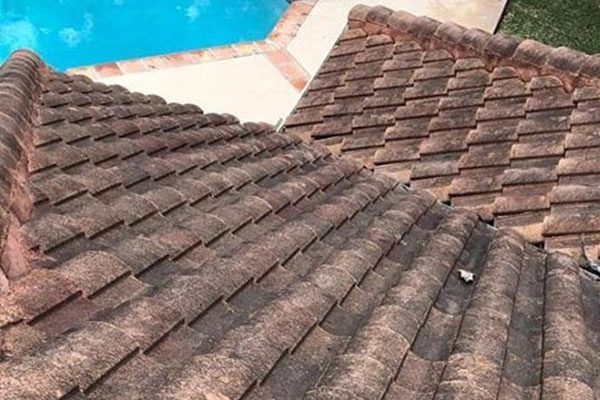
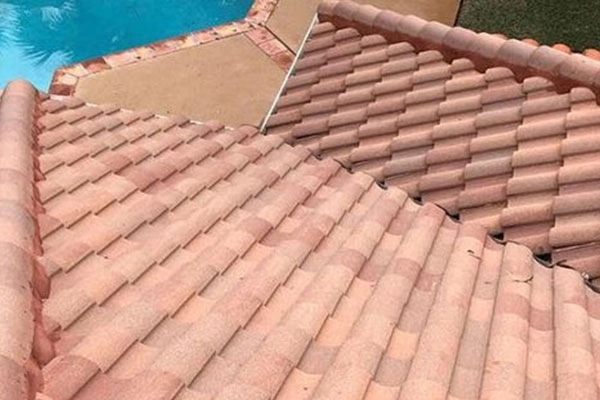
How These Case Studies Are Structured
These case studies are not intended to show perfect outcomes or one-size-fits-all solutions.
Each example is structured to show:
- The conditions present at the time of evaluation
- The decisions made—or deferred
- The environmental or operational pressures involved
- The resulting outcome over time
- The preservation lesson learned
In some cases, work was performed.
In others, restraint was the correct decision.
What matters is not the action taken—but the reasoning behind it.
Preservation is defined by judgment, not activity.
What These Case Studies Represent
What They Are
- Documented preservation decisions
- Exposure-aware evaluations
- Long-term outcome analysis
- Real constraints and trade-offs
What They Are Not
- Sales examples
- Cosmetic transformations
- "Quick fix” stories
- Universal prescriptions
These examples exist to support informed decision-making—not to promise identical results.
Select a case study below to explore how preservation decisions unfold in real conditions.
From Reactive Cleaning to Planned Preservation
Moving from repetition to control.
High-Exposure Microclimate Management
Why environment—not frequency—determined outcomes.
Preventing Insurance-Driven Roof Intervention
How early evaluation avoided forced action.
Reducing Insurance Exposure Proactively
Managing risk before inspections dictated timing.
When Observation Was the Right Answer
Why restraint preserved long-term outcomes.
When Deferred Preservation Escalated Risk
How postponement narrowed future options.