







Commercial Property Exterior Preservation & Condition Management
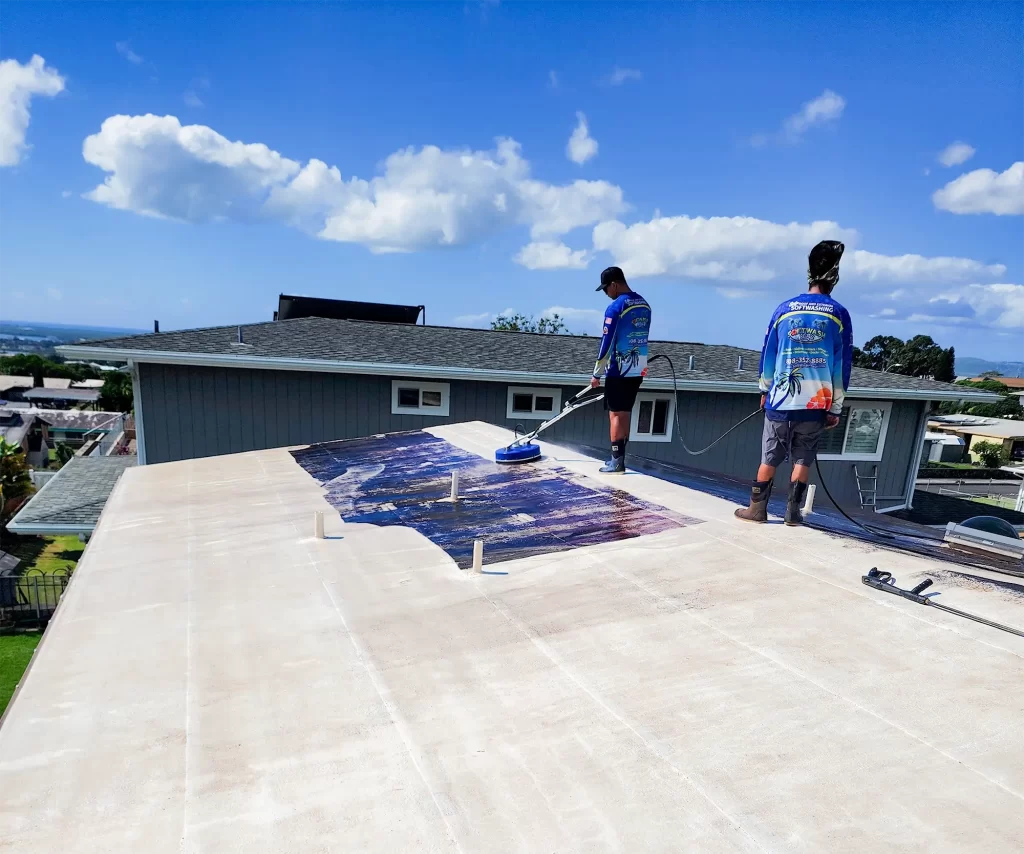
Commercial buildings in Hawaiʻi face relentless environmental exposure — high humidity, salt air, intense sunlight, and moisture retention — all of which accelerate exterior deterioration long before the effects become obvious to the untrained eye.
SoftWash Hawaii offers exterior preservation services designed for commercial property owners and managers who understand that preserving building condition is a long-term stewardship commitment, not a one-time cosmetic exercise. Our approach begins with evaluation, focuses on risk management, and prioritizes material integrity — especially where insurance, inspections, and long-term value matter most.
Exterior Condition is more than clean - it is risk information
Commercial exteriors endure more than dirt and grime. Organic growth, moisture traps, salt deposition, and environmental patterns signal underlying conditions that influence structural performance, insurance risk, and lifecycle cost.
Surface appearance rarely reflects underlying risk. Buildings that look “clean” may still be masking progression of deterioration that can reduce material life and increase exposure to claims or repair costs. Preservation is about understanding the condition over time — not only
restoring appearance.
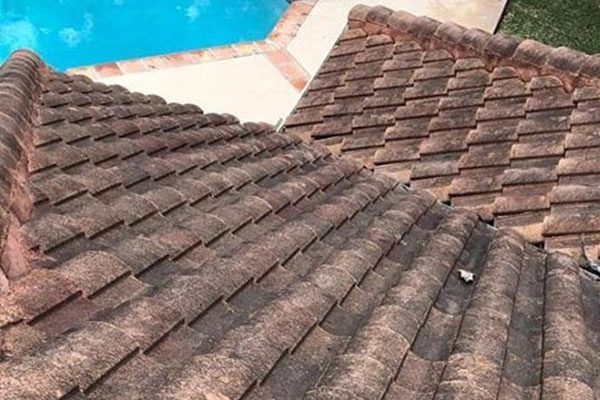
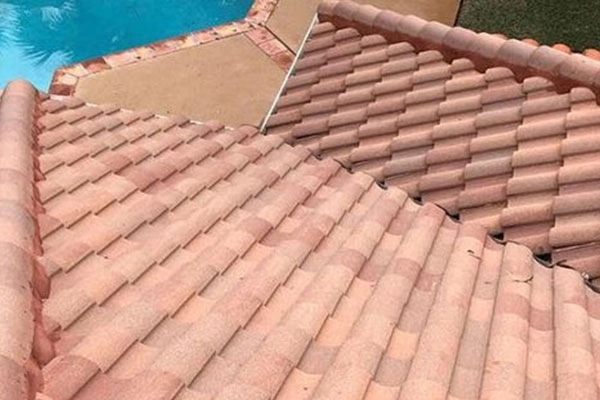

Evaluate - Document - Decide - Protect
SoftWash Hawaii approaches commercial exterior care as a preservation system, not just a cleaning task. Before we ever apply a solution, we evaluate exposure, material condition, and long-term behavior.
Our approach emphasizes:
- Risk-informed evaluation that detects progression before failure
- Documentation for insurance, inspection, and continuity
- Gentle, appropriate treatment designed to improve condition without forcing water intobuilding assemblies
- Strategic timing rather than fixed frequency
Commercial preservation is most effective when aligned with a long-term exterior condition strategy — not when driven only by curb appeal.
Who This Service is For
Designed For
- Commercial property owners who prioritize asset longevity
- HOAs and boards responsible for shared structure stewardship
- Managers needing documented condition awareness for inspections and insurance reviews
- Clients who value proactive care over reactive cleanups
Not Intended For
- One-time cosmetic cleaning requests
- Pressure blasting as a first resort
- Short-term prep for a sale or event
What Commercial Preservation Looks Like Over Time
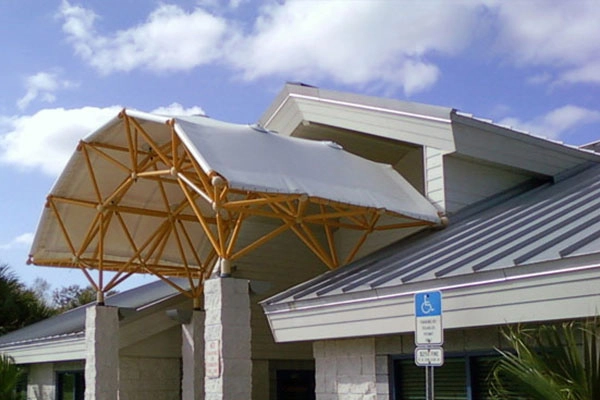
Commercial preservation is not a single paragraph of work. It is a rhythm of evaluation, measured treatment, documentation, and ongoing stewardship. This structured care helps prevent expensive corrective work, reduces long-term insurance exposure, and supports predictable lifecycle planning.
When Commercial Exterior Conditions Require Evaluation
Early indicators often appear before visible deterioration becomes costly.
Commercial exterior deterioration rarely begins with obvious failure. It often presents as subtle patterns that signal progression long before structural issues are visible.
Common indicators include:
- Recurring organic growth in the same areas
- Staining that returns shortly after cleaning
- Uneven aging across elevations
- Persistent moisture marks or streaking
- Salt accumulation or residue near coastal exposures
- Insurance inspection notes referencing condition concerns
These signals do not always require immediate intervention — but they do require informed evaluation. Understanding what these patterns represent is the first step toward responsible asset stewardship.
Preservation Requires Documentation — Not Just Service
Commercial exterior preservation extends beyond the work performed. It requires documented evaluation, recorded decision-making, and continuity across inspection cycles and leadership changes.
SoftWash Hawaii supports commercial clients by providing:
- Condition-based observations
- Documented rationale for intervention or restraint
- Visual references for future comparison
- Alignment between exterior condition and long-term planning
This documentation supports insurance discussions, inspection reviews, board transitions, and budget planning — ensuring that exterior care decisions are informed rather than reactive. Preservation is not simply about what is done today. It is about maintaining clarity over time.