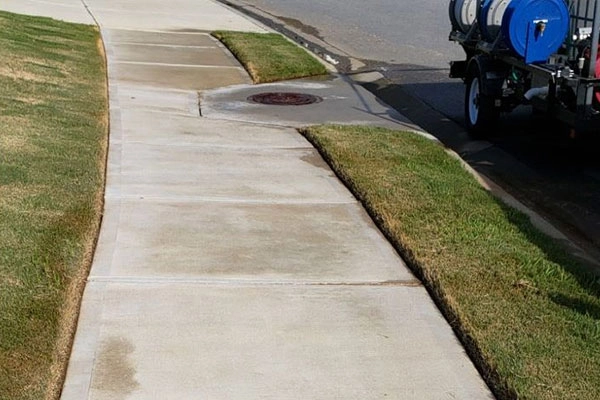
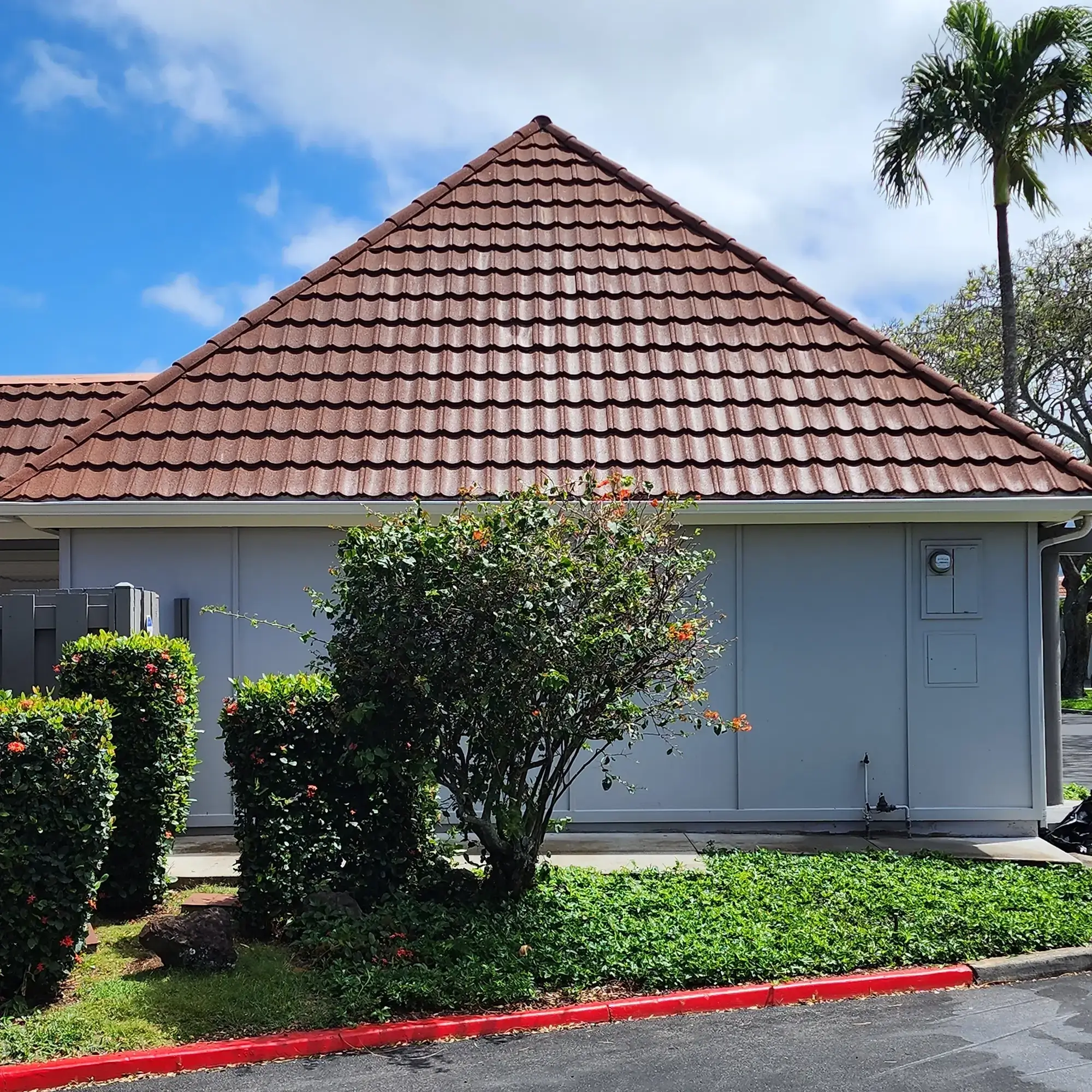
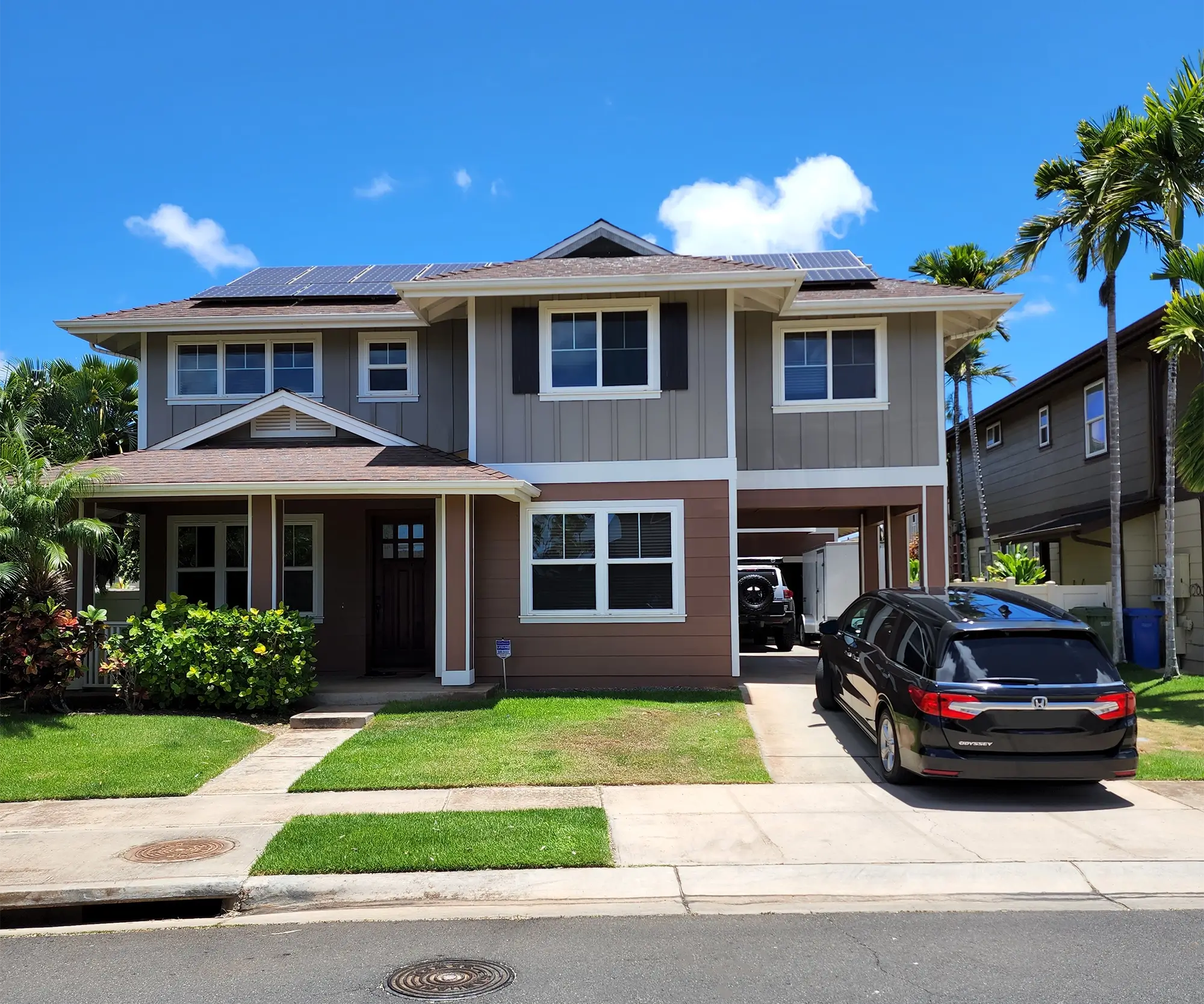
Preservation is not about using one method everywhere. It is about applying the appropriate approach for each surface, condition, and environment.
Exterior deterioration does not occur because the wrong technique was used once. It occurs when surfaces are repeatedly stressed, exposed, or treated without regard for how materials age over time.
Preservation begins with restraint.
Preservation Begins with Understanding
Exterior surfaces are not interchangeable. Roofing, siding, masonry, wood, and other materials respond differently to moisture, organic growth, environmental exposure, and cleaning pressure.
Responsible exterior preservation starts with understanding:
Material type and age
Existing condition
Environmental exposure
How deterioration develops over time
Method selection is not a preference. It is a decision informed by evaluation.
Soft Washing is a Tool - Not a Philosophy
Soft washing refers to a low-pressure application method used to manage organic growth on certain exterior surfaces. When applied appropriately, it allows treatments to work without relying on force that can damage materials or introduce moisture into unintended areas.
In a preservation context, soft washing is used selectively — not universally — and only when it supports material longevity and responsible care.
Soft washing is not a blanket solution. It is one of several tools used when conditions warrant it.
Why Preservation Avoides Force-First Approaches
High-pressure methods can be effective in specific applications. However, when applied indiscriminately, force-based approaches may:
Preservation prioritizes methods that reduce stress on materials while still managing organic growth and environmental buildup. The goal is not immediate visual impact, but predictable aging and long-term performance.
The Real Benefit is Predictability
The value of surface-appropriate methods is not dramatic transformation.
The value is predictability.
When exterior care is approached thoughtfully, surfaces age more consistently, maintenance becomes easier to plan, and deterioration is managed earlier rather than discovered under pressure.
This allows property owners and managers to remain in control of maintenance decisions rather than reacting to inspections, insurance notices, or visible failure.
This page is Not about Comparison
This page is not intended to compare techniques, promote a specific method, or position one approach as universally superior.
It exists to explain why exterior preservation depends on selecting the appropriate method for each surface and situation rather than applying a single solution everywhere.
Method decisions are made through evaluation — not assumption.
Where Method Decisions begin
Responsible method selection begins with understanding the property, its surfaces, and its exposure.
If you are considering long-term exterior preservation and want to understand how care should be approached for your property, the next step is a Property Alignment Review. This ensures clarity before any evaluation or recommendation takes place.