








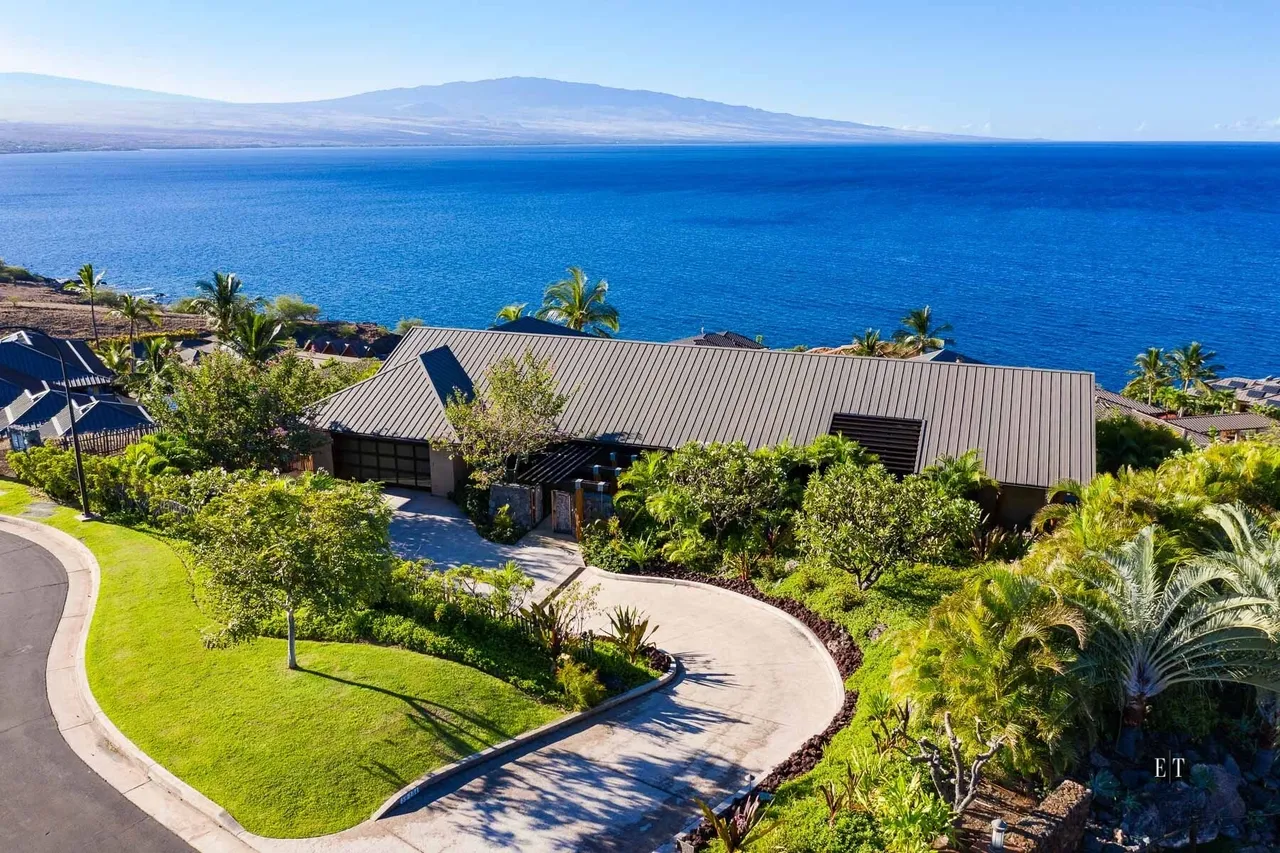
In Hawaiʻi, location matters more than most people realize. Two properties may share similar construction, age, and materials—yet experience very different exterior aging.
On Oʻahu, this difference is often most apparent between Windward and Leeward locations. The distinction is not cosmetic. It is environmental.
Understanding the Windward–Leeward Divide
The Windward and Leeward sides of Oʻahu experience fundamentally different environmental conditions. Windward areas are generally characterized by:
- Higher and more frequent rainfall
- Increased humidity
- Longer moisture retention on surfaces
- Greater organic growth pressure
Leeward areas typically experience:
- Lower rainfall
- More consistent sun exposure
- Faster surface drying
- Reduced—but not eliminated—organic growth
These differences shape how exterior surfaces age over time.
Why Windward Properties Age Differently
On the Windward side, moisture often remains on exterior surfaces longer. Shaded areas, reduced airflow, and frequent rain create conditions where organic growth establishes easily and recurs predictably.
As a result:
- Roofs may show growth earlier in their lifecycle
- Siding and trim may retain moisture longer
- Organic buildup may appear uneven across elevations
- One-time intervention rarely changes long-term behavior
Preservation in these environments requires consistent monitoring and exposure-aware planning.
How Leeward Exposure Changes the Equation
Leeward properties benefit from greater sun exposure and airflow, which can slow the progression of organic growth. However, reduced moisture does not eliminate risk.
Leeward properties may still experience:
- Salt air exposure in coastal zones
- UV-related material degradation
- Dust accumulation that traps moisture
- Growth in shaded or poorly ventilated areas
Because deterioration may develop more slowly, issues are sometimes underestimated until they become inspection concerns.
Why Uniform Maintenance Fails Across the Island
Applying the same exterior care strategy across Windward and Leeward properties often leads to inconsistent outcomes.
Uniform approaches can result in:
- Over-intervention on Leeward properties
- Under-management on Windward properties
- Repeated reactive decisions
- Increased frustration over recurring issues
Preservation requires differentiation—aligning care with exposure rather than geography alone.
Inspection and Insurance Implications
Environmental exposure also influences how exterior condition is interpreted during inspections. Windward properties may show more visible organic growth despite consistent care. Without context, this can be misinterpreted as deferred maintenance. Preservation documentation provides clarity by demonstrating exposure-driven behavior rather than neglect. Leeward properties, while often appearing stable, may still require proactive evaluation to prevent quiet deterioration from escalating unnoticed.
Exposure-Aware Preservation Creates Balance
When Windward and Leeward differences are acknowledged:
- Care strategies become more targeted
- Intervention timing improves
- Surface stress is reduced
- Long-term planning becomes more predictable
The objective is not to make properties look the same—but to help them age appropriately within their environments.
A Final Perspective
Windward and Leeward properties do not need the same exterior care. They need the right care for where they sit. Preservation succeeds when environment is treated as a planning input, not an inconvenience.
Where This Conversation Continues
Understanding environmental exposure is a foundational step in exterior preservation—especially in Hawaiʻi, where conditions vary dramatically across short distances. If your property’s exterior behavior feels inconsistent or difficult to predict, clarity begins with evaluation and alignment before urgency dictates decisions.