








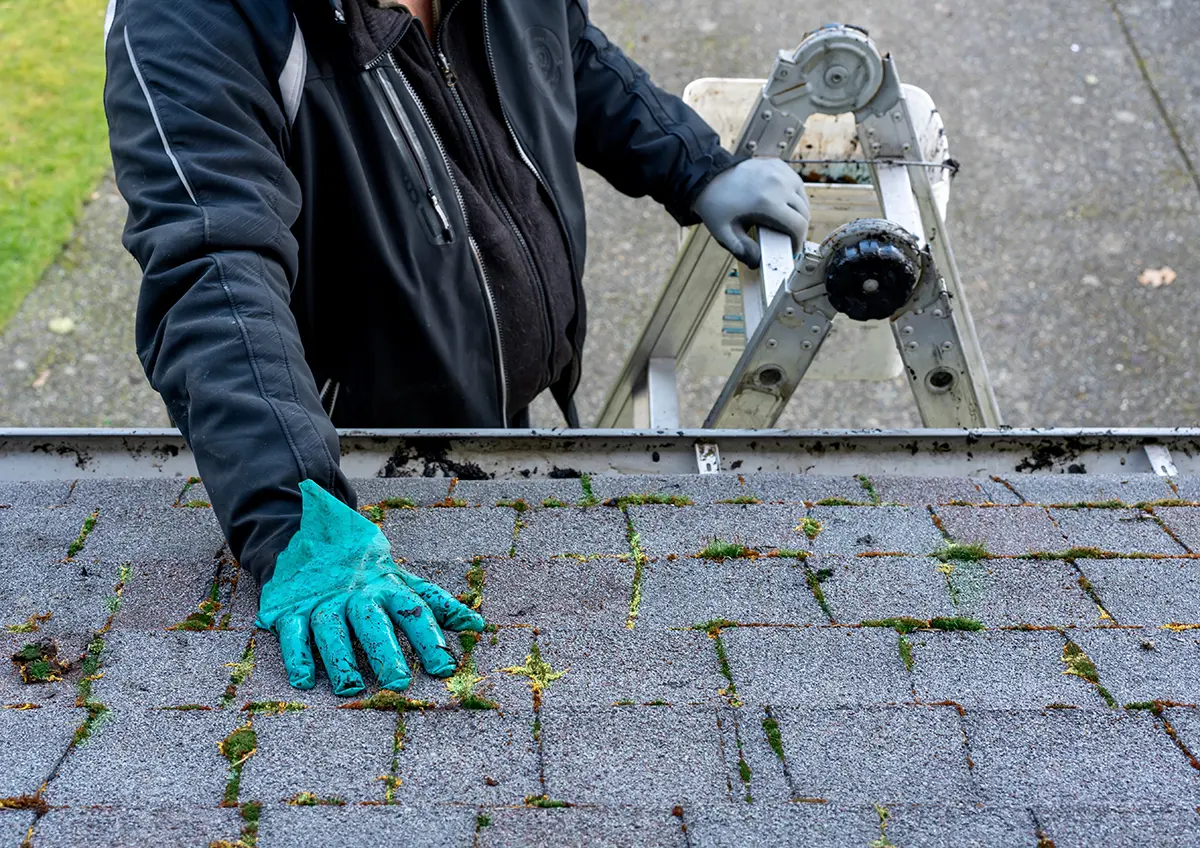
One-time cleaning primarily addresses what is visible. Organic growth is removed, staining is reduced, and surfaces look refreshed.
However, appearance and condition are not the same.
Condition reflects how a material is aging beneath the surface—how moisture is retained, how protective layers are performing, and how environmental exposure is influencing deterioration. One-time cleaning rarely changes these underlying dynamics.
As a result, the same conditions that led to visible growth remain in place.
The Cycle of Recurrence
When exterior care is reactive, a predictable cycle often emerges:
- Organic growth becomes noticeable
- Cleaning is performed
- Appearance improves
- Growth returns
- Concern resurfaces
Each iteration feels like a new problem, but it is typically the same pattern repeating.
Without understanding why growth recurs, cleaning becomes a temporary response rather than a long-term solution.
Why Timing Matters More Than Frequency
Many owners respond to recurrence by cleaning more often. While this may reduce visible buildup, it can also introduce new risks. Frequent, appearance-driven intervention may:
- Increase surface wear
- Disrupt protective coatings
- Drive moisture into vulnerable areas
- Mask exposure patterns that require planning
Preservation prioritizes timing over repetition. Intervention is most effective when aligned with environmental behavior, not when triggered by visual discomfort.
One-Time Cleaning Creates Uncertainty
Reactive cleaning can inadvertently increase uncertainty rather than reduce it. When exterior care decisions are made sporadically, owners and managers often struggle to answer basic questions:
- Is the condition improving or declining?
- Is growth progressing faster or at the same rate?
- Are interventions helping—or simply resetting appearance?
Without consistent evaluation, these questions remain unanswered. Preservation replaces uncertainty with awareness.
Why Consistency Changes Outcomes
Consistency does not mean constant action. It means consistent observation, planning, and decision-making.
Preservation-oriented care establishes:
- Baselines for exterior condition
- Clear indicators for when intervention is necessary
- Predictable maintenance rhythms
- Reduced reliance on urgent decisions
Over time, this approach reduces both visible issues and the stress associated with managing them.
When One-Time Cleaning Makes Sense
One-time cleaning is not inherently wrong. It can be appropriate:
- For newly acquired properties
- As part of a transition to structured care
- When addressing isolated, non-recurring conditions
The issue arises when one-time cleaning becomes the default strategy rather than a starting point.
A Final Perspective
One-time cleaning creates activity. Preservation creates understanding. Over time, understanding is what protects materials, reduces risk, and keeps decisions within the owner’s control.
Where This Conversation Continues
Moving beyond one-time cleaning requires clarity around condition, exposure, and progression. If exterior care decisions feel repetitive or reactive, the next step is alignment and evaluation—before urgency enters the picture.