








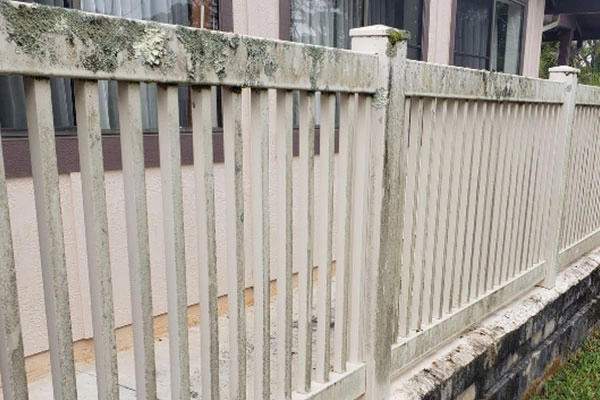
Not all maintenance plans are optional.
Some are built around known outcomes—where the consequences of inaction are not hypothetical, but documented, predictable, and well understood. In these cases, the plan exists not to improve appearance, but to prevent deterioration that will occur if intervention is delayed.
From a preservation perspective, this distinction matters.
When a Plan Is Based on Known Risk
A properly developed preservation plan is not arbitrary. It is created because:
- Environmental exposure is already present
- Materials are behaving predictably under those conditions
- Past observation confirms progression without intervention
- Timing matters to prevent escalation
In these cases, maintenance is not “routine.” It is preventative by necessity.
What Happens When Planned Work Is Reduced or Deferred
When essential preservation work is postponed, rescheduled, or scaled back, the environment does not pause. Moisture continues to accumulate. Organic growth continues to establish. Protective layers continue to degrade.
The most common outcomes include:
- Accelerated deterioration beyond the original scope
- Loss of surface stability that was previously controlled
- Increased cost when intervention becomes unavoidable
- Narrowed windows for safe or effective treatment
What was once manageable becomes reactive.
Why These Decisions Are Often Made
Deferred or reduced maintenance rarely comes from neglect.
It often results from:
- Budget pressure
- Leadership or ownership changes
- Competing priorities
- Short-term appearance improvements masking progression
- The assumption that delay equals savings
From a preservation standpoint, these decisions are understandable—but not neutral.
The Difference Between Flexible Planning and Compromising Preservation
Adaptive maintenance planning is responsible when conditions change.
However, there is a critical difference between:
- Adjusting timing because conditions stabilized
- Canceling work despite known progression
When a plan was developed specifically to prevent a known outcome, altering it does not eliminate risk—it compounds it. Preservation relies on consistency where consistency is required.
How Deferred Preservation Shows Up Later
The impact of deferring essential maintenance is rarely immediate.
It often appears later as:
- Insurance or inspection findings
- Material failure earlier than expected
- Emergency intervention under pressure
- Loss of documentation continuity
- Increased scrutiny during renewals or claims
At that point, options are fewer and timelines are tighter.
Why Preservation Partners Raise These Concerns Early
A preservation partner’s role is not simply to execute work—but to speak up when decisions introduce avoidable risk.
This includes:
- Explaining the consequences of deferral
- Documenting recommendations and decisions
- Clarifying what outcomes are likely if plans are altered
- Supporting informed decision-making, even when choices are difficult
Silence in these moments is not neutrality—it is abdication.
A Final Perspective
When a preservation plan is built around known behavior and documented risk, it exists for a reason.
Changing that plan does not change the environment—it changes the outcome. Stewardship means understanding when flexibility is appropriate—and when consistency is essential.
Where This Conversation Continues
Preservation works best when plans are respected for why they were created—not just when they were scheduled. If essential exterior maintenance has been deferred or reduced and concerns are beginning to surface, clarity begins with revisiting the original rationale—before consequences become unavoidable.