








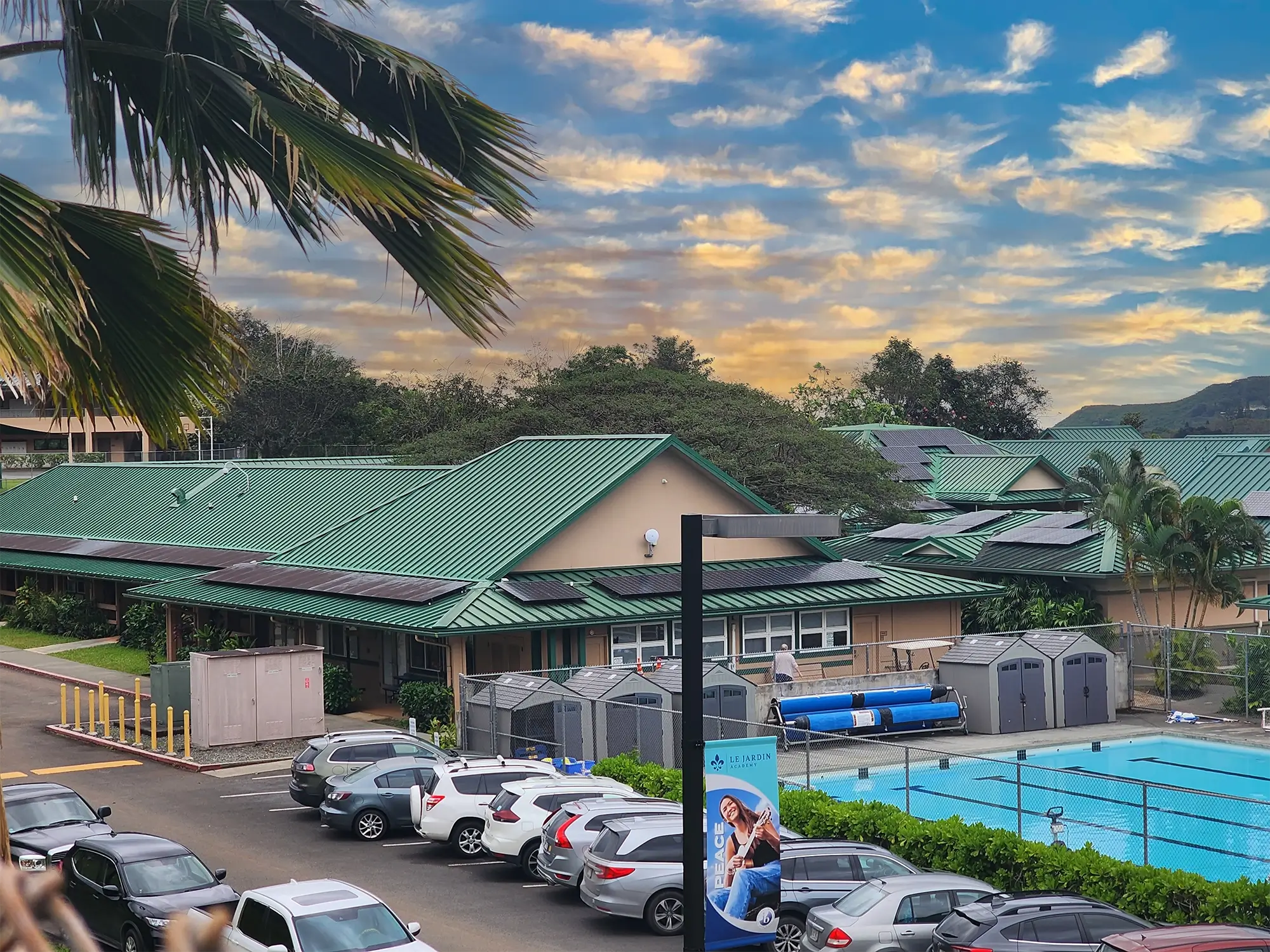
Residential and commercial properties are often discussed as if they require fundamentally different maintenance philosophies.
In reality, the principles of proper maintenance are the same. What changes is how those principles are applied, documented, and governed.
Understanding this distinction is essential for creating maintenance programs that actually work.
What Both Property Types Have in Common
Regardless of size or use, proper maintenance programs are built on the same foundation:
- Evaluation before action
- Identification of real risk versus cosmetic concern
- Planning based on timing, not habit
- Documentation that supports continuity
- Periodic reassessment
Without these elements, maintenance becomes reactive—whether the property is a single home or a multi-building complex.
How Residential Maintenance Programs Are Structured
Residential maintenance programs are often more flexible and personal. They typically emphasize:
- Individual owner priorities
- Visible condition and comfort
- Long-term material performance
- Budget predictability over complexity
Decisions are usually made by a single owner or family, allowing for faster adjustment when conditions change. Proper residential programs still require planning and documentation—but governance is informal and centralized.
How Commercial Maintenance Programs Differ
Commercial and HOA properties introduce additional layers of responsibility. Commercial programs must account for:
- Shared assets and liability
- Board or stakeholder oversight
- Budget cycles and approvals
- Insurance and inspection scrutiny
- Leadership transitions over time
Because decision-making is distributed, documentation and consistency become critical. Programs must survive changes in personnel without resetting.
Why Governance Changes Everything
The most significant difference between residential and commercial maintenance is governance. Commercial maintenance programs must be:
- Defensible to third parties
- Repeatable across cycles
- Transparent in rationale
- Resistant to short-term pressure
Residential programs benefit from many of the same practices, but the consequences of inconsistency are typically less complex.
Timing Matters Differently at Scale
In residential settings, maintenance decisions can often be adjusted informally. In commercial environments:
- Delays can affect multiple stakeholders
- Deferred work may trigger inspection findings
- Escalation carries higher financial and reputational impact
This makes proactive planning more critical as scale increases.
Why Commercial Programs Cannot Rely on Appearance
Commercial properties are evaluated not only by occupants, but by inspectors, insurers, and regulators.
Visible stability without documented oversight can still be interpreted as unmanaged risk. Commercial programs must demonstrate intentional management , not just acceptable appearance.
Residential programs benefit from the same mindset—but the pressure is typically internal rather than external.
A Final Perspective
Residential and commercial properties do not require different philosophies.
They require different levels of structure. As complexity increases, planning, documentation, and stewardship become more—not less—important. A proper maintenance program scales with responsibility.
Where This Conversation Continues
Whether residential or commercial, maintenance programs succeed when decisions are made intentionally rather than habitually. If your current program feels reactive or disconnected from outcomes, clarity begins with evaluation and alignment before activity becomes obligation.