








Most exterior deterioration does not announce itself.
It does not crack loudly, leak dramatically, or fail all at once. Instead, it develops quietly—through moisture retention, organic growth, and environmental exposure that compounds year after year.
By the time exterior issues are obvious, decisions are rarely optional.
Why Exterior Risk Is Often Misunderstood
Many property owners and managers believe exterior risk is tied to visible damage. In reality, risk more often stems from patterns rather than events.
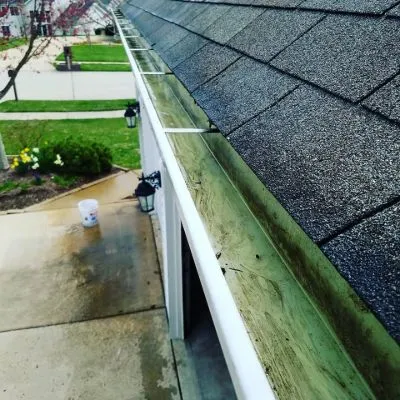
Organic growth, for example, is rarely the problem itself. It is a signal—one that suggests moisture is being held against surfaces longer than intended. Over time, that moisture accelerates wear, shortens material life, and invites inspection scrutiny.
Because this process unfolds gradually, it is easy to underestimate until an outside force—such as an insurance review or inspection—forces attention.
The Difference Between Appearance and Condition
One of the most common misconceptions in exterior care is equating improved appearance with improved condition.
A surface can look clean while continuing to deteriorate. Conversely, a surface can show mild staining while remaining structurally sound and stable.
Preservation focuses on condition, not cosmetics. It asks different questions:
- Is deterioration progressing or stable?
- Is moisture being managed appropriately?
- Is the exterior aging predictably—or unevenly?
- Are decisions being driven by planning or by urgency?
These questions matter because they determine whether exterior care reduces risk—or merely postpones it.
Why Reactive Cleaning Increases Long-Term Risk
Reactive cleaning often feels responsible. Something looks wrong, so action is taken.
However, when exterior care is driven solely by appearance or timing rather than evaluation, it can create a cycle of repeated intervention without clarity. Surfaces are treated, growth returns, concern resurfaces, and decisions are made again—often under increasing pressure.
Over time, this approach introduces more uncertainty, not less.
Preservation interrupts this cycle by establishing awareness first. Risk is reduced not by doing more, but by doing the right amount at the right time for the right reasons.
Risk Escalates When Decisions Are Deferred
Exterior deterioration rarely becomes urgent overnight. Instead, it escalates when early indicators are ignored or misunderstood.
Insurance providers, inspectors, and governing bodies often interpret visible exterior conditions as signs of deferred maintenance—even when damage has not yet occurred. When that interpretation happens, timelines shorten and options narrow.
Preservation is most effective before urgency exists.
What Preservation-Oriented Owners Do Differently
Owners and managers who approach exterior care through a preservation lens tend to:
- Prioritize evaluation over assumption
- Address conditions before they become inspection concerns
- Plan exterior care as an ongoing responsibility, not an occasional task
- Accept that restraint can be as important as action
- Maintain control over timing and decisions
This mindset reduces risk by replacing reaction with foresight.
The Real Purpose of Exterior Preservation
Exterior preservation is not about preventing every mark or stain. It is about preventing forced decisions.
When exterior condition is understood and managed proactively, owners retain control. Maintenance becomes predictable. Conversations remain calm. Risk stays manageable.
This is not achieved through one-time service. It is achieved through awareness, planning, and consistency.
A Final Thought
If exterior care decisions are being made only when something looks wrong, risk is already present. Preservation begins earlier—when the goal is understanding, not urgency.
Where This Conversation Continues
Preservation and risk management begin with clarity. Understanding exterior condition, exposure, and progression allows responsible decisions to be made before pressure enters the conversation.
For properties where long-term condition and risk matter, the next step is alignment and evaluation.