








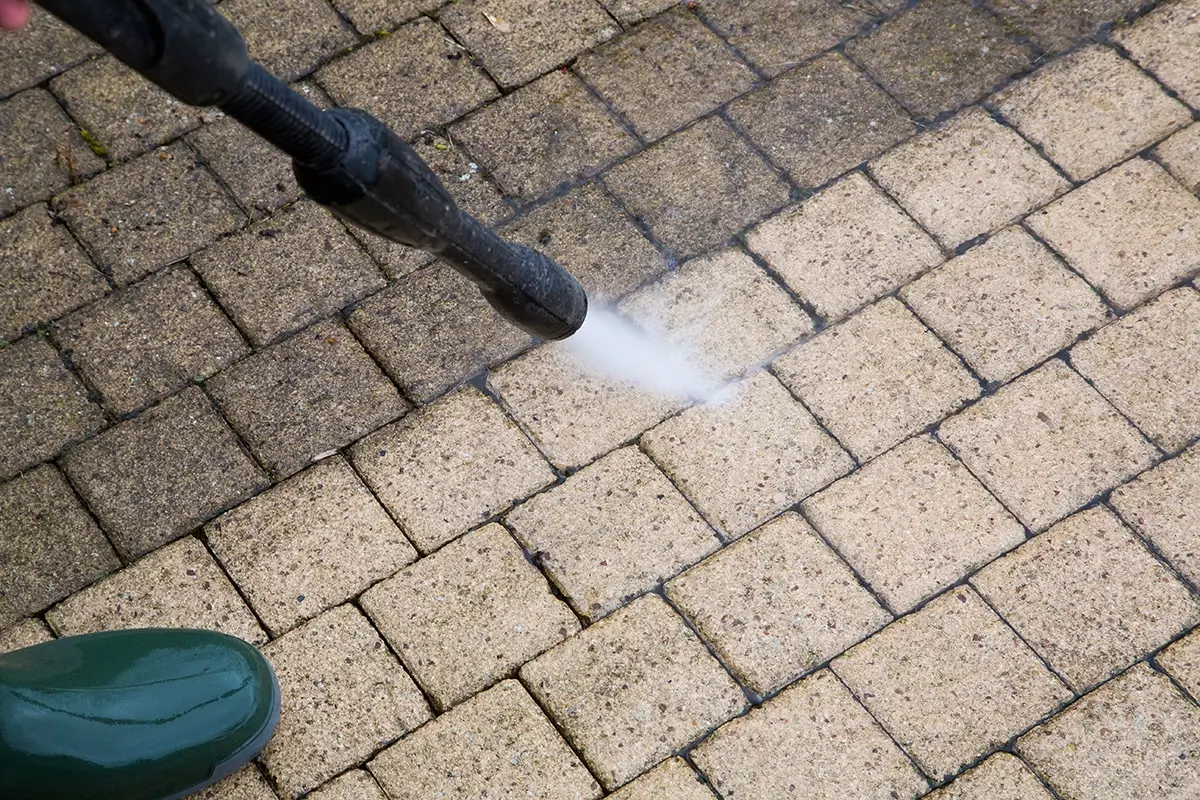
In property care, it’s easy to assume that more attention equals better outcomes.
When exterior issues recur, the instinct is often to increase frequency—clean more often, schedule additional visits, or shorten intervals between services. This approach feels proactive and responsible. In preservation, frequency without context can quietly create new problems.
Frequency Is a Tool, Not a Strategy
Maintenance frequency is often treated as the strategy itself. In reality, frequency is only one variable.
On its own, it does not account for:
- Environmental exposure
- Material tolerance
- Moisture behavior
- Surface recovery time
- Cumulative surface stress
When these factors are ignored, increased frequency can work against long-term preservation goals.
How Over-Maintenance Creates Risk
Exterior materials are designed to weather gradually. Each intervention—no matter how careful—introduces some level of stress. When maintenance is performed too frequently:
- Protective layers can be disrupted before they recover
- Materials may dry or rehydrate unevenly
- Surfaces can become dependent on intervention
- Deterioration may accelerate rather than stabilize
The result is often more visible activity, but less actual control.
Why Recurrence Is Often Misinterpreted
Recurring exterior conditions are frequently interpreted as a need for more frequent service. In many cases, recurrence actually indicates:
- High environmental exposure
- Moisture retention patterns
- Shading or airflow limitations
- Inherent material behavior
Increasing frequency treats the symptom repeatedly without addressing the underlying pattern. Preservation asks why conditions recur before deciding how often to intervene.
Timing Matters More Than Repetition
Effective maintenance programs prioritize timing over repetition.
Timing considers:
- When conditions are actively progressing
- When intervention will stabilize behavior
- When surfaces are most receptive
- When action prevents escalation rather than masks it
Well-timed intervention often reduces the need for frequent activity.
When Increased Frequency Makes Sense
More frequent maintenance is sometimes appropriate. It may be warranted when:
- Exposure is extreme and documented
- Progression is active and measurable
- Prior intervention has proven stabilizing
- The frequency is part of a deliberate preservation plan
The difference is intent. Frequency is justified by behavior—not by discomfort with appearance.
Why Over-Maintenance Reduces Predictability
One of the goals of a proper maintenance program is predictability.
Excessive frequency can undermine that goal by:
- Increasing variability in outcomes
- Creating inconsistent surface response
- Making it harder to assess true condition
- Complicating insurance or inspection narratives
Preservation favors fewer, better-timed decisions over constant activity.
A Final Perspective
Maintenance is not a volume game. Doing more work does not automatically produce better results.
In many cases, restraint—guided by evaluation and documentation—protects materials more effectively than repeated intervention. Preservation values the right action at the right time , not the most action possible.
Where This Conversation Continues
If exterior care feels repetitive without improving outcomes, the next step is understanding how exposure, timing, and material behavior interact—before increasing frequency becomes the default response.