








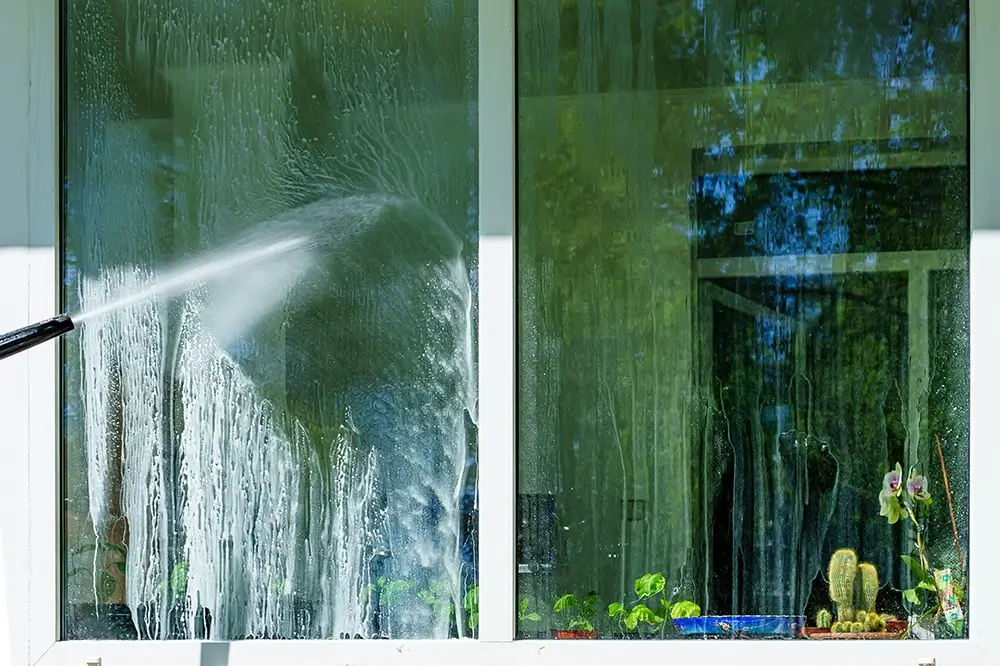
Exterior maintenance is often treated as an operational detail.
The surface looks worn. A service is scheduled. The issue appears resolved. From the outside, this feels efficient. From a governance perspective, however, this approach leaves important questions unanswered.
Exterior condition is not just a maintenance issue. It is a governance responsibility.
Why Exterior Decisions Carry Oversight Implications
For properties with shared ownership, fiduciary responsibility, or long-term asset goals, exterior decisions affect more than appearance.
They influence:
- Asset longevity
- Insurance eligibility
- Inspection outcomes
- Budget predictability
- Stakeholder confidence
When exterior care is handled reactively or inconsistently, it introduces uncertainty into areas that governance exists to control.
The Risk of Treating Maintenance as a Task
When exterior maintenance is reduced to a task list, decisions are often made in isolation:
- A roof is cleaned because it looks overdue
- A surface is treated because it triggered a complaint
- Action is taken because a deadline is approaching
While each decision may seem reasonable on its own, the absence of a governing framework can lead to:
- Inconsistent outcomes
- Uneven aging across assets
- Repeated emergency decisions
- Difficulty justifying actions to stakeholders
Governance requires continuity—not episodic action.
What Governance-Oriented Maintenance Looks Like
Governance does not require constant intervention. It requires clarity, documentation, and intent. When exterior care is approached as a governance responsibility, organizations tend to:
- Establish baselines for exterior condition
- Evaluate trends rather than isolated events
- Plan interventions in advance
- Document decisions and rationale
- Reduce dependence on last-minute responses
This approach creates defensible decision-making, even when no immediate action is required.
Why Boards and Managers Feel Pressure Without a Framework
Without a preservation framework, boards and managers are often forced into reactive roles.
Concerns arise from:
- Insurance notices
- Inspection reports
- Resident complaints
- Visible but poorly understood conditions
In the absence of prior evaluation, these triggers compress timelines and narrow options. Decisions become urgent rather than informed. Preservation restores balance by creating context before pressure exists.
Maintenance as Stewardship, Not Reaction
Governance-minded exterior care treats the property as a long-term system rather than a series of isolated surfaces.
This perspective acknowledges that:
- Not every condition requires immediate action
- Some issues are stable, not progressing
- Restraint can protect materials as effectively as intervention
- Planning reduces cost volatility over time
Stewardship replaces reaction when exterior care is governed rather than chased.
Documentation Is Part of Governance
A key difference between task-based maintenance and governance-based preservation is documentation.
Documented evaluations, planned schedules, and recorded decisions provide:
- Continuity across board transitions
- Clarity during inspections
- Confidence during insurance reviews
- Alignment among stakeholders
This documentation does not exist to justify action. It exists to demonstrate responsibility.
A Final Perspective
Exterior maintenance decisions shape more than surfaces.
They shape risk, accountability, and trust. When exterior care is governed thoughtfully, properties age predictably, decisions remain defensible, and leadership retains control. Governance begins where reaction ends.
Where This Conversation Continues
If exterior maintenance decisions are being driven by urgency, complaints, or external pressure, it may be time to shift from task-based service to governance-based preservation. That shift begins with alignment and evaluation.