








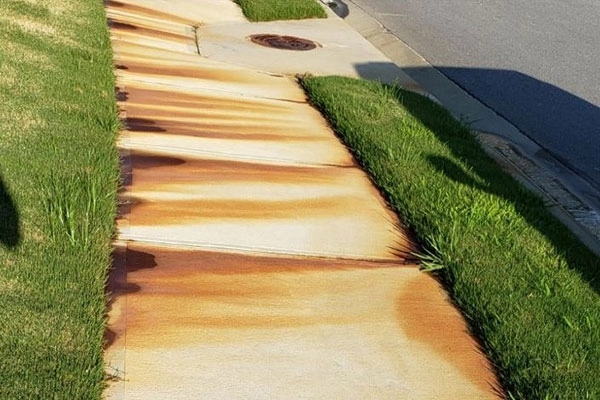
Deferred maintenance is often viewed as a timing decision. When budgets tighten or priorities shift, planned work is postponed with the assumption that
costs will simply move to a later date. The belief is that delay preserves flexibility without materially affecting the property.
In exterior preservation, this assumption is rarely accurate.
Why Deferral Is Not Neutral
Exterior environments do not pause when maintenance is deferred.
Moisture continues to accumulate. Organic growth continues to establish. Protective layers continue to degrade. When a maintenance plan was created to prevent a known progression, delaying it does not freeze conditions—it allows them to advance. Deferral changes the state of the asset.
How Deferred Maintenance Alters Scope
When intervention is postponed, work rarely resumes at the same level originally planned.
- Common outcomes include:
- Expansion of the affected area
- Increased severity of deterioration
- Narrower windows for safe or effective treatment
- The need for more conservative or invasive approaches
What was once a controlled preservation step often becomes a corrective response.
Why Deferral Often Increases Total Cost
Deferred maintenance is frequently justified as a cost-saving measure. In practice, it often leads to:
- Higher labor and material requirements
- Additional preparatory or remedial work
- Compressed timelines that reduce options
- Increased scrutiny from insurers or inspectors
The cost is not just delayed—it is reshaped.
The Risk of Losing Predictability
One of the most valuable aspects of a proper maintenance program is predictability. Deferral introduces uncertainty:
- Progression becomes harder to forecast
- Budget planning becomes reactive
- Decision-making occurs under pressure
- External parties begin influencing timelines
Predictability is replaced by urgency.
When Deferral Is Most Risky
Not all maintenance can be deferred safely. Deferral is particularly risky when:
- Environmental exposure is high
- Progression has already been documented
- Prior interventions stabilized conditions
- The plan exists specifically to prevent escalation
In these cases, postponement does not buy time—it accelerates consequence.
Why Deferral Decisions Are Understandable—but Not Harmless
Most deferral decisions are made in good faith. They often result from:
- Budget constraints
- Leadership or ownership changes
- Competing priorities
- The appearance of short-term stability
From a preservation standpoint, these decisions deserve context—not criticism. But context does not eliminate consequence.
Preservation Planning Is Designed to Prevent Escalation
Proper maintenance programs are built around known behavior, not assumptions. They exist to:
- Intervene before deterioration accelerates
- Maintain control over scope and timing
- Preserve optionality in decision-making
- Reduce long-term risk
When these plans are altered without reassessment, their protective value diminishes.
A Final Perspective
Deferred maintenance does not simply move cost forward on the calendar. It changes the condition of the property, the scope of work required, and the choices available later. In preservation, timing is not just about convenience—it is about outcome.
Where This Conversation Continues
If planned exterior maintenance has been deferred and concerns are beginning to surface, clarity begins with revisiting the original rationale before urgency dictates the response. Understanding why work was planned is often more important than deciding when it should happen.