








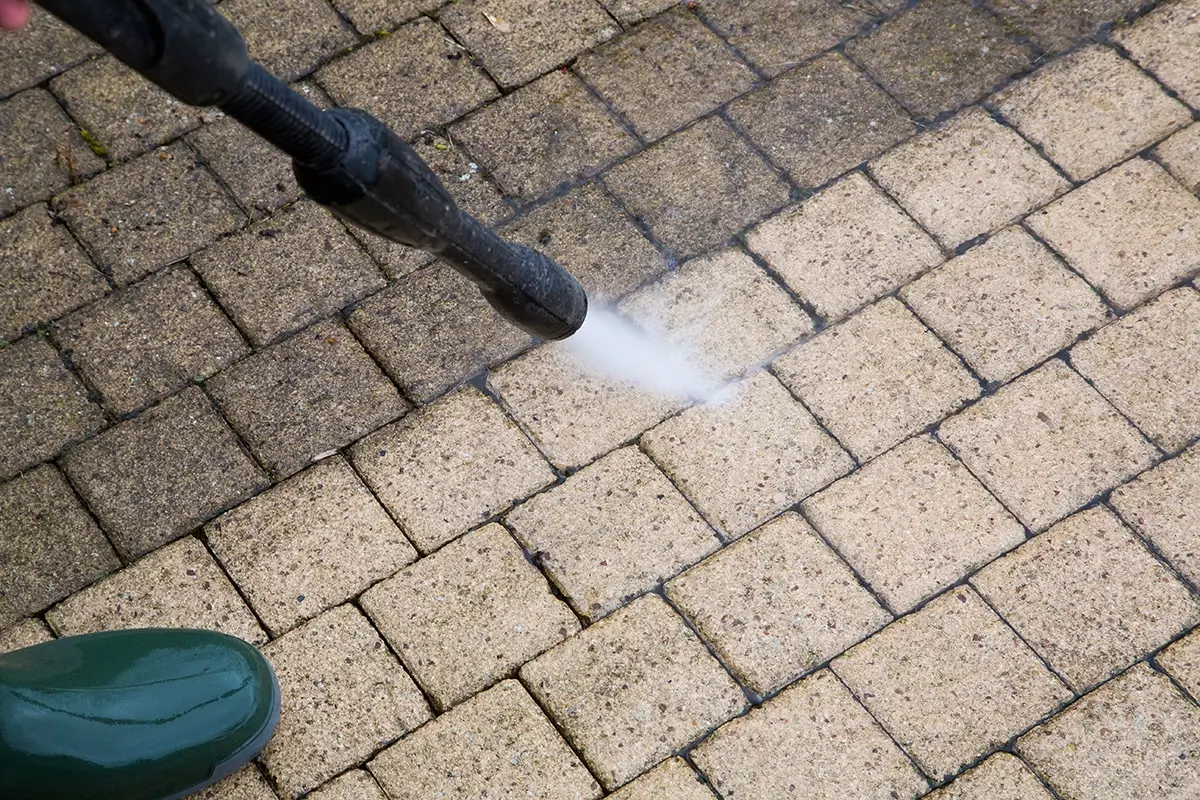
More Frequent Maintenance Is Not Always Better
When exterior issues recur, the instinct is often to increase frequency—clean more often, schedule additional visits, or shorten intervals between services.

Documentation Is Not for After Something Goes Wrong
Documentation is not a response to failure. It is a tool that helps prevent failure by supporting clarity, continuity, and informed decision-making over time.

Insurance Inspections Do Not Care About Cleanliness—They Care About Risk
One of the most common misunderstandings around insurance inspections is the belief that they are evaluating how clean a property looks.
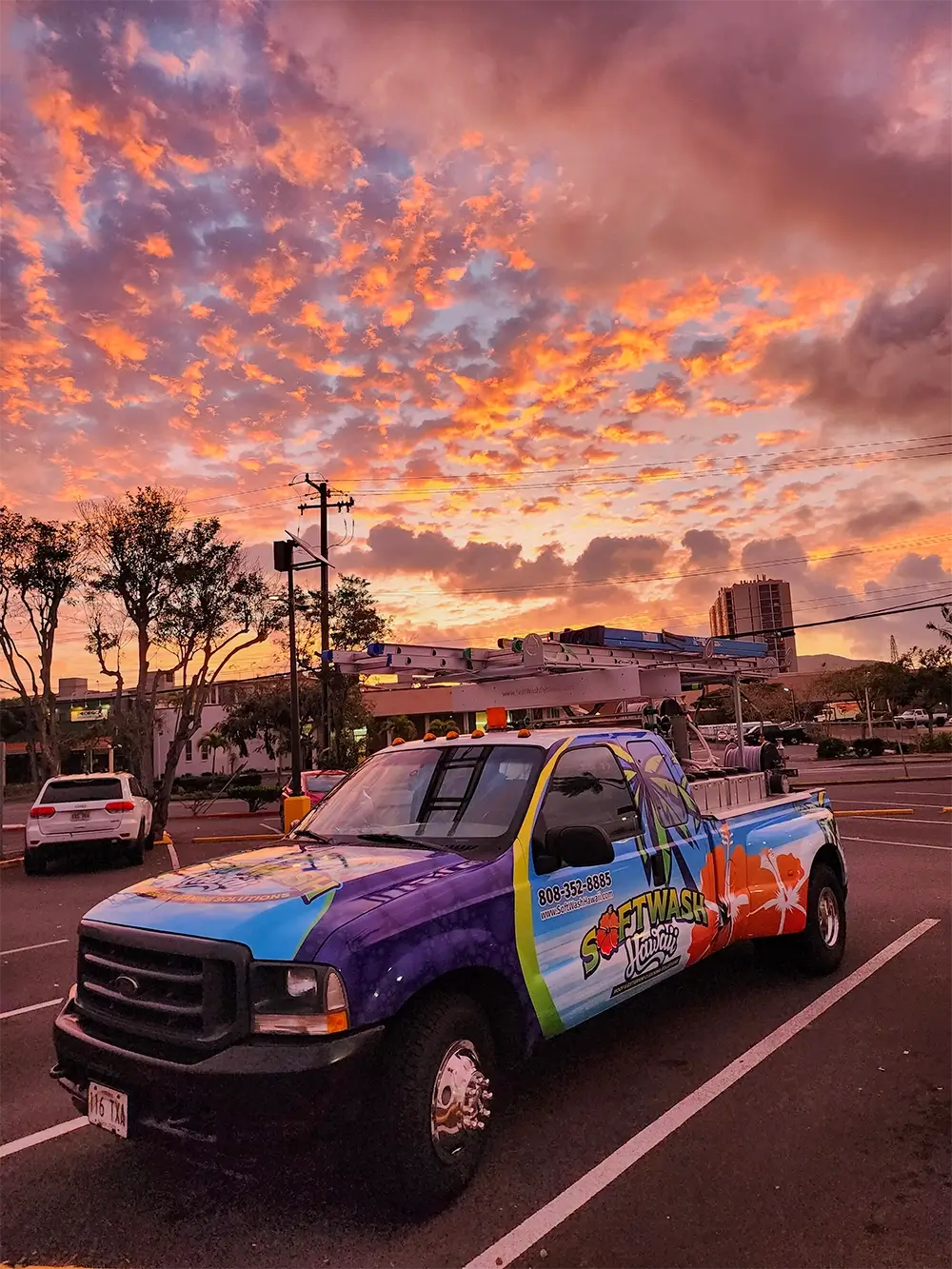
A Vendor and a Preservation Partner AreNot the Same Thing
Understanding the role a provider plays is a critical step in managing exterior risk responsibly.
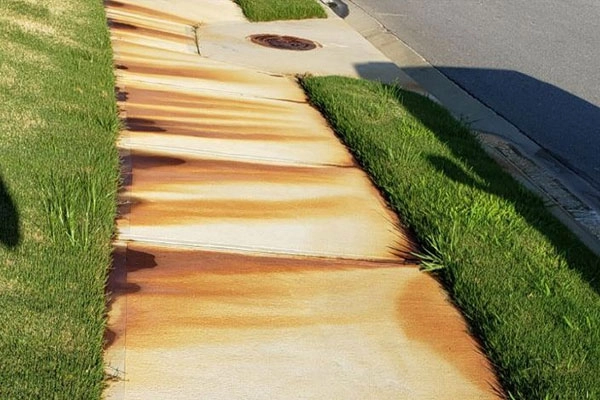
Deferred Maintenance Does Not Just Delay Cost—It Changes the Outcome
Deferred maintenance is often viewed as a timing decision. When budgets tighten or priorities shift, planned work is postponed with the assumption that costs will

Environmental Exposure in Hawaiʻi: Why Location Matters More Than Age
In Hawaiʻi, exterior deterioration is rarely uniform. Two properties built at the same time, using the same materials, can age very differently. One may show
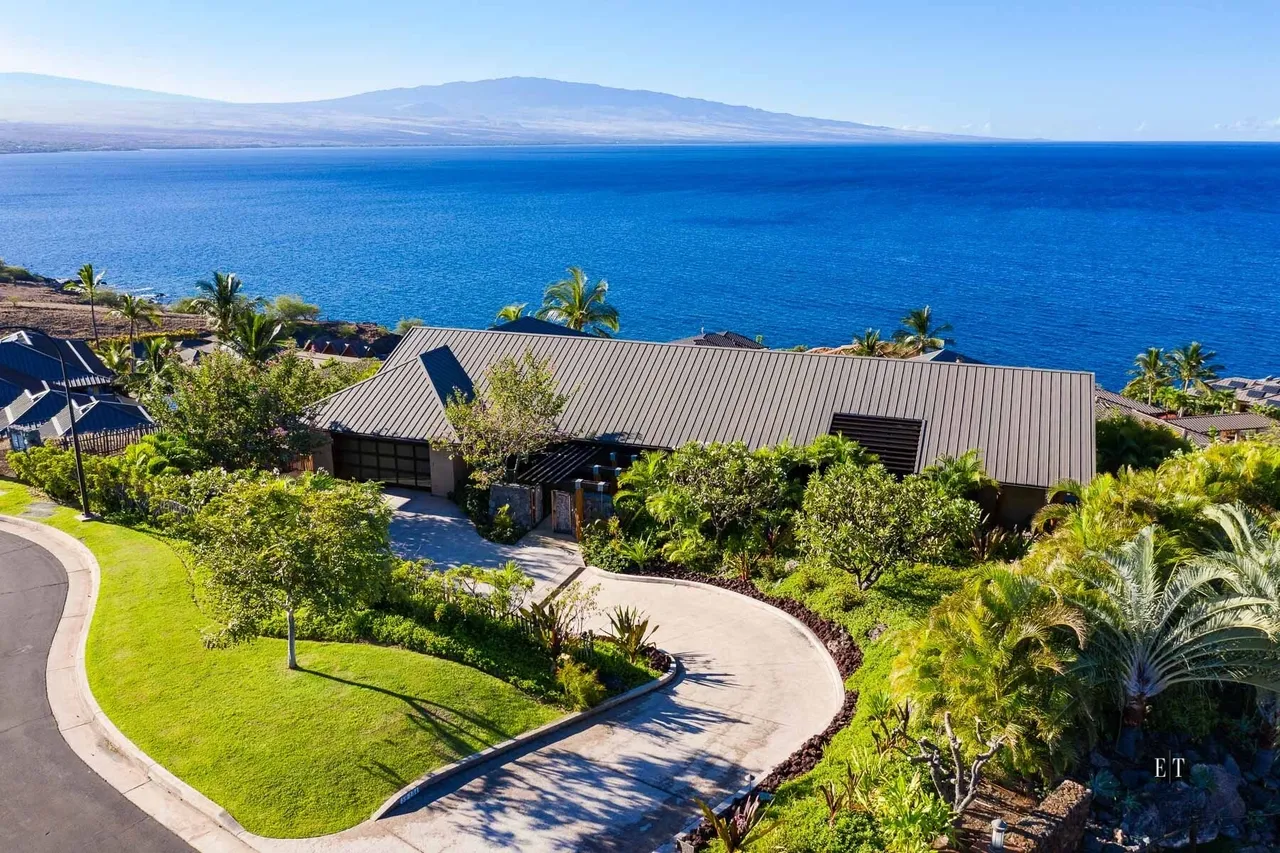
Windward vs. Leeward: Why Exterior Preservation Looks Different on Each Side of Oʻahu
In Hawaiʻi, location matters more than most people realize. Two properties may share similar construction, age, and materials—yet experience very different exterior aging.

Coastal vs. Inland Exposure: How Salt, Wind, and Moisture Shape Exterior Aging in Hawaiʻi
Two properties of similar age and construction can experience very different aging patterns depending on whether they are located along the coast or further inland.

Board Transitions Are When Exterior Risk Quietly Increases
Board transitions are normal. This is a natural part of governance—but it is also when exterior risk often increases without anyone realizing it.
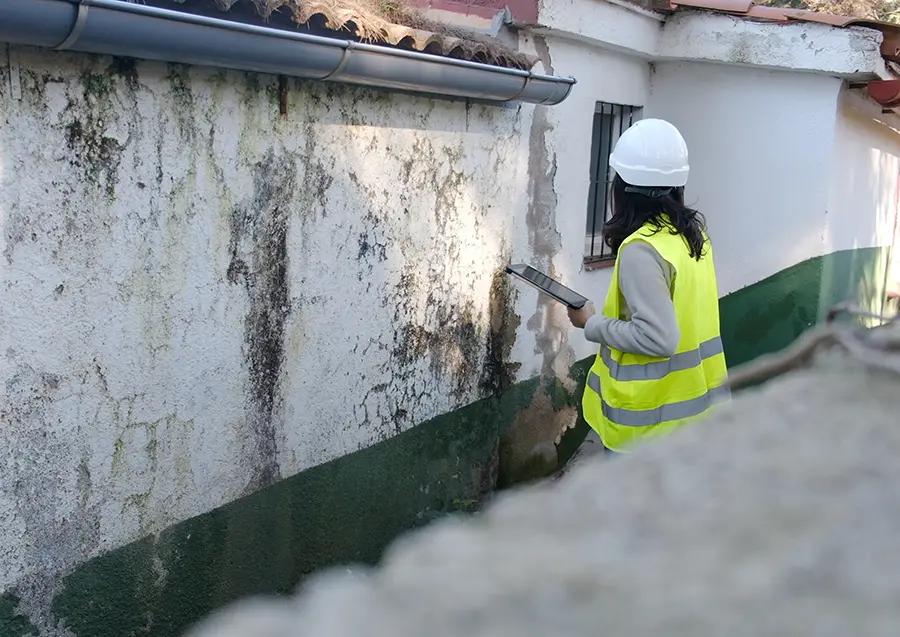
Documentation Is What Insurance Inspections Actually Respond To
Insurance inspections are snapshots. They capture exterior condition at a specific moment in time. Without documentation, that snapshot stands alone. Inspectors are left to interpret
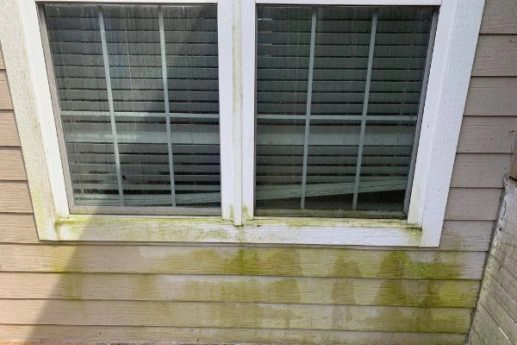
Insurance and Inspections: Why Exterior Condition Is Evaluated Differently Than You Expect
Preservation focuses on managing conditions before they reach inspection-level concern, not simply responding once they do.
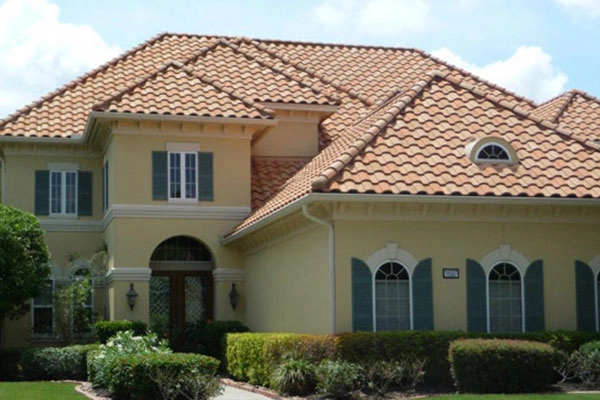
What a Proper Maintenance Program Actually Looks Like
When maintenance is treated as stewardship rather than scheduling, properties age more predictably, risk is reduced, and responsibility becomes manageable rather than reactive.

Maintenance Planning Is Stewardship, Not Scheduling
When exterior care is planned thoughtfully, maintenance becomes a tool—not a reaction.
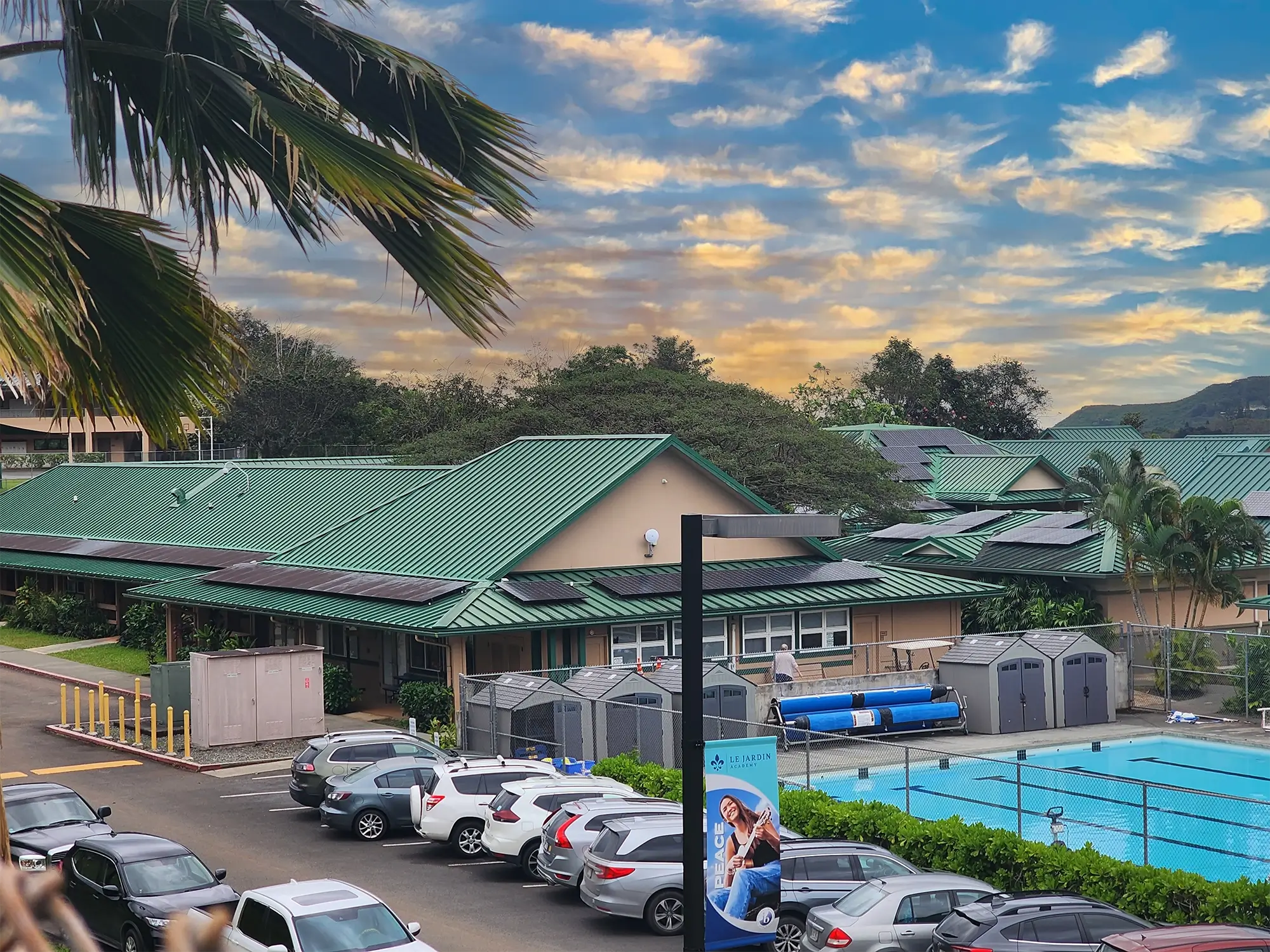
Residential vs. Commercial Maintenance Programs: Why One Size Never Fits Both
Residential and commercial properties are often discussed as if they require fundamentally different maintenance philosophies. In reality, the principles of proper maintenance are the same.
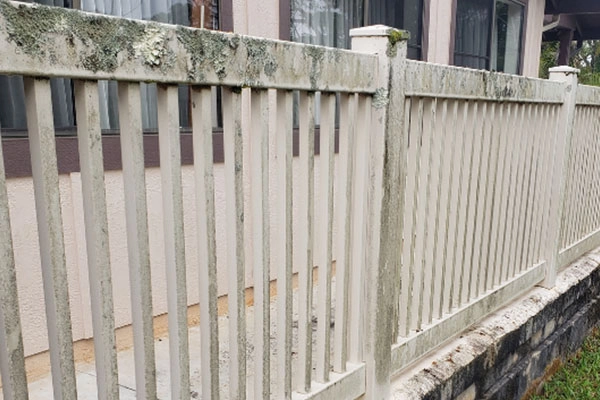
When Planned Preservation Is Deferred: The Hidden Cost of Changing the Plan
When essential preservation work is postponed, rescheduled, or scaled back, the environment does not pause.

Documentation Is a Preservation Tool—Not a Paper Trail
Documentation is often misunderstood. For many property owners and managers, documentation feels like something created after work is performed—receipts, invoices, and reports filed away in

Environmental Exposure and Microclimates in Hawaiʻi: Why Exterior Care Is Never Uniform
In Hawaiʻi, two properties can sit a few miles apart and age in completely different ways. The difference is rarely workmanship. It is exposure.
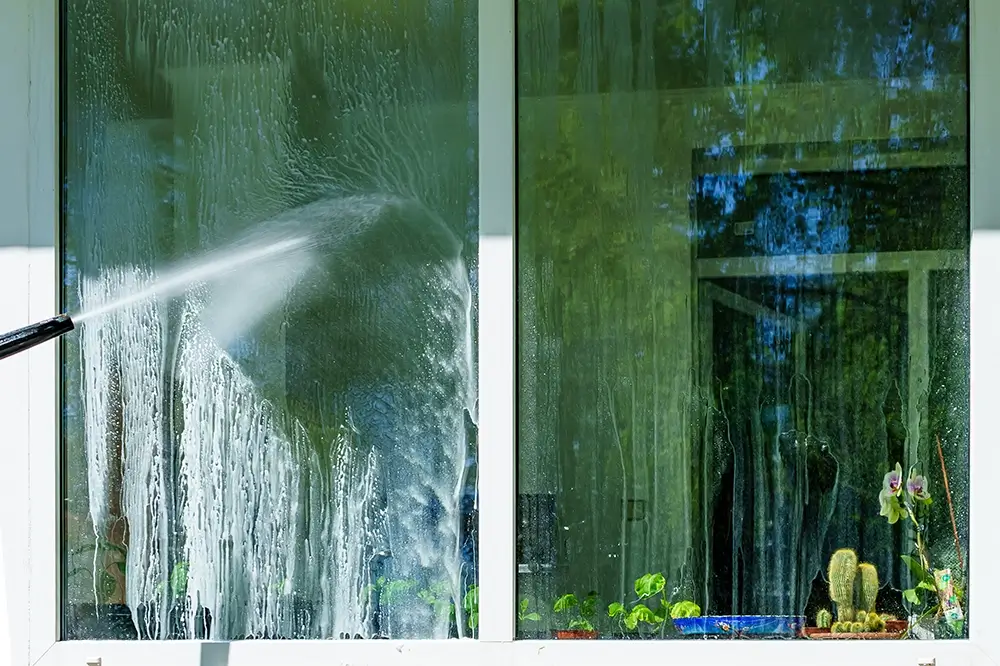
Exterior Maintenance Is a Governance Responsibility—Not a Service Task
For properties with shared ownership, fiduciary responsibility, or long-term asset goals, exterior decisions affect more than appearance.
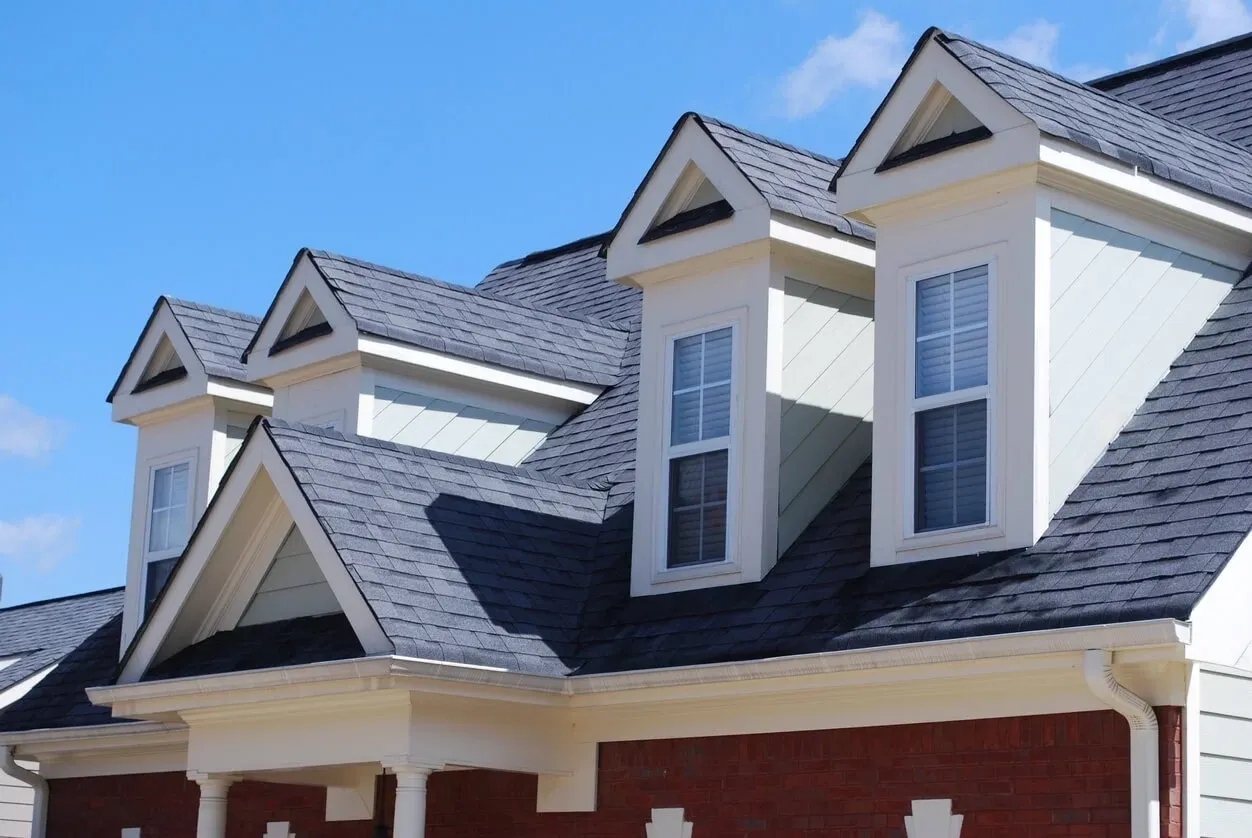
Insurance Reviews Don’t Create Risk—They Reveal It
Insurance providers evaluate properties differently than homeowners or tenants do. Their concern is not whether a surface looks clean today, but whether exterior conditions suggest
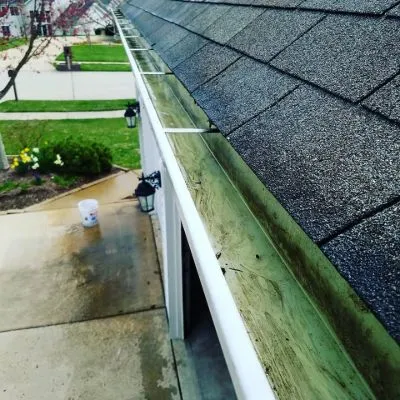
Preservation Is Risk Management— Not Cleaning
Most exterior deterioration does not announce itself. It does not crack loudly, leak dramatically, or fail all at once. Instead, it develops quietly—through moisture retention,
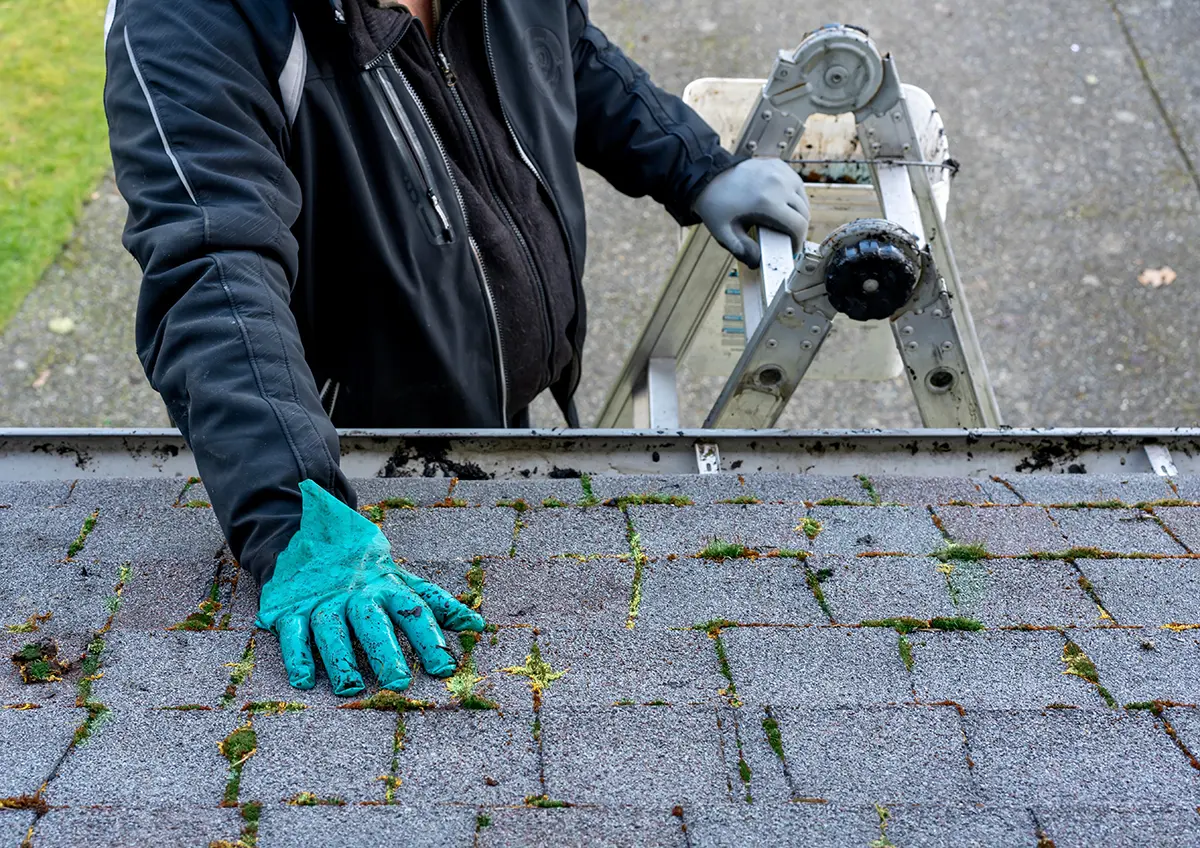
Why One-Time Cleaning Fails Over Time
A surface looks compromised, action is taken, and the property appears improved. For many owners and managers, this feels like good stewardship—an issue identified and